
Two eras, never averaged
The west end's 1950s and 1960s flatland homes and the east end's 1970s Hills homes are described separately on this page.
East Anaheim is a transitional area, and this page keeps its two halves separate. The west end is flatland tract stock from the 1950s and 1960s, with slab lines, galvanised pipe and the usual root and corrosion questions. The east end is 1970s foothills stock, with copper-era systems, slope drainage and HOA tracts. Between them, SR-91 corridor commercial work and the Ball Road corridor's commercial frontages add warehouses, offices and retail to the mix. A job's era and land use decide its plan here more than anywhere else in the city.
East Anaheim calls for the full range: slab leak repair and repiping at the flatland end, water heater and fixture work at the foothills end, and drain and sewer work for corridor commercial properties. Gas line repair is also available; see the gas line repair page.

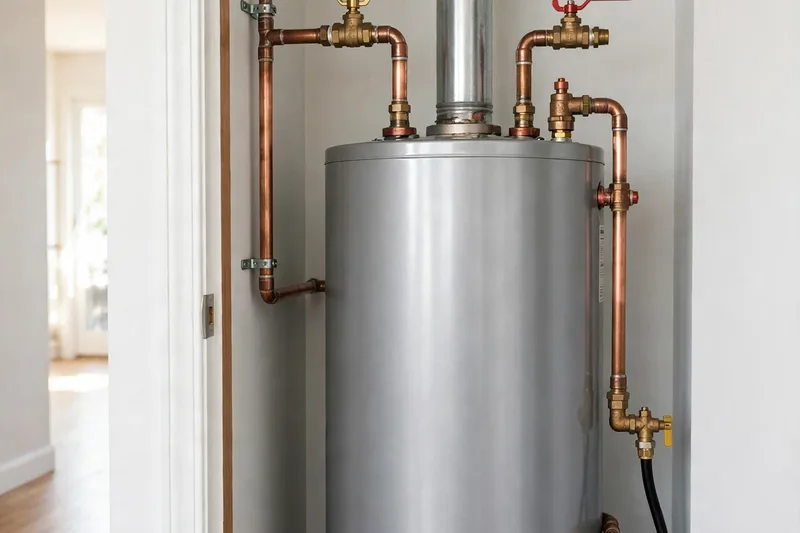
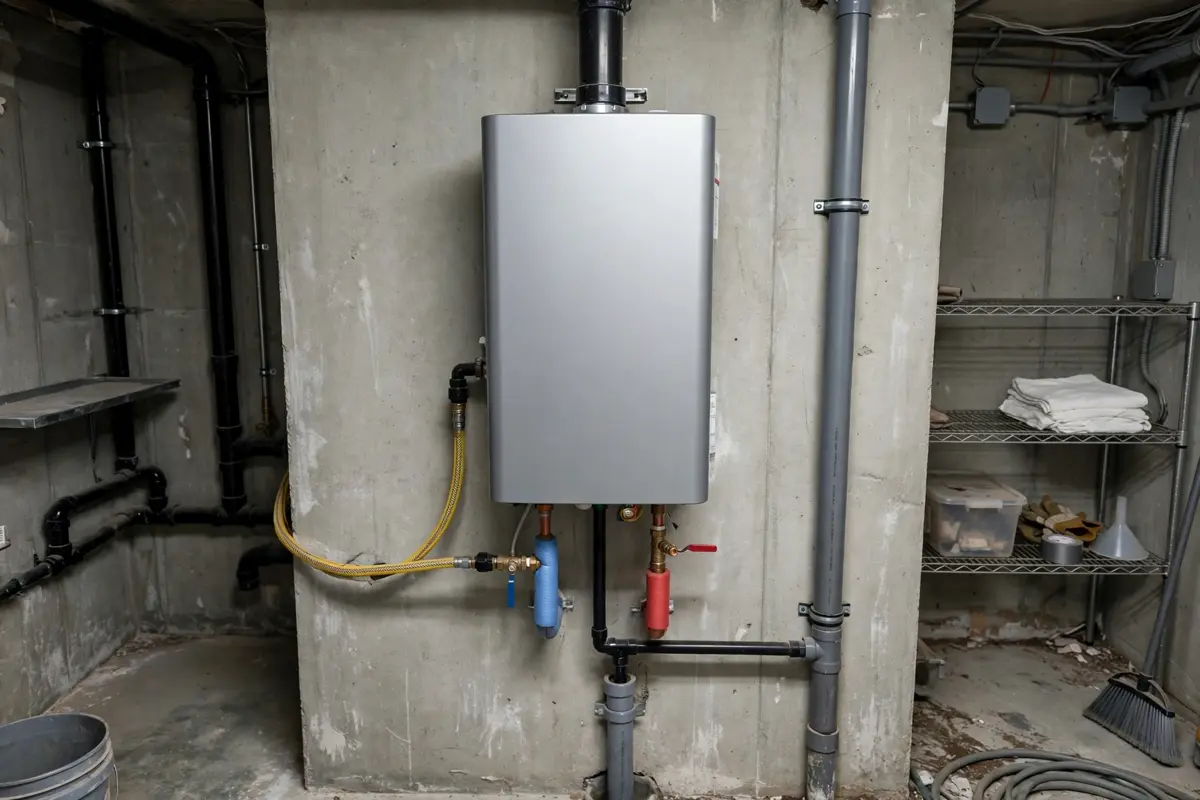
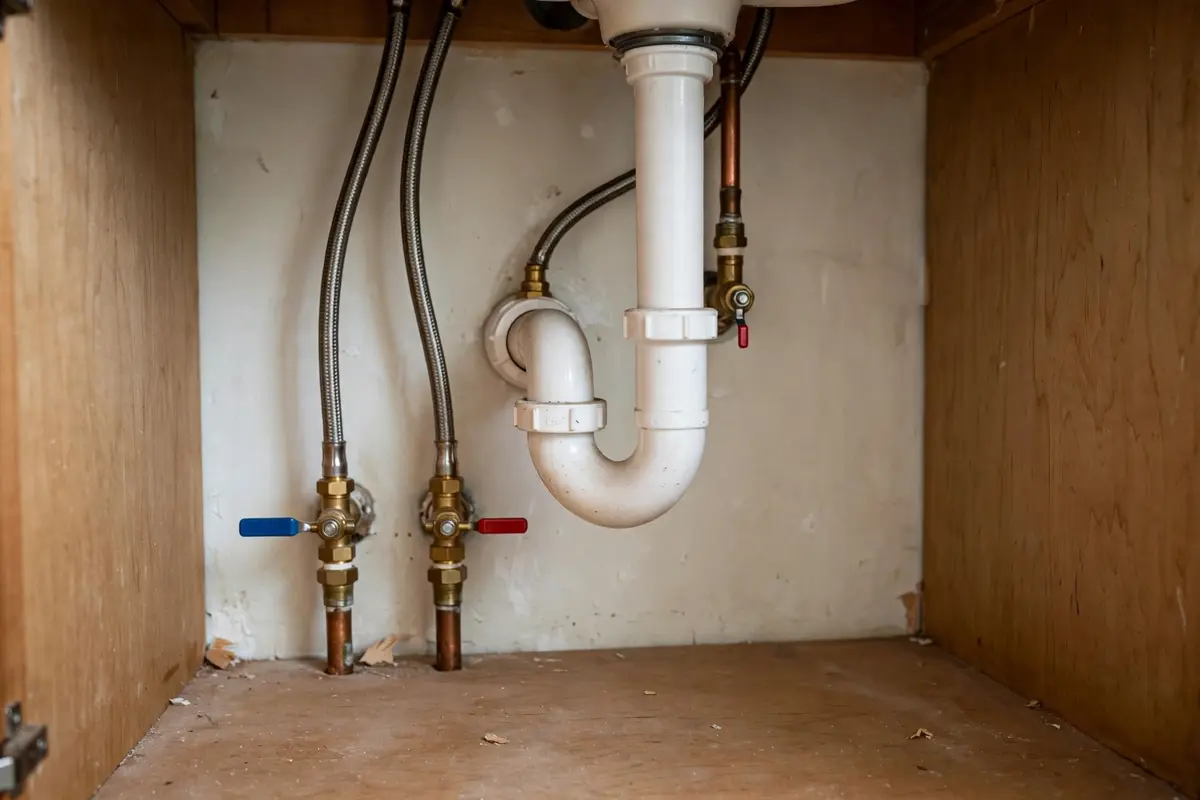
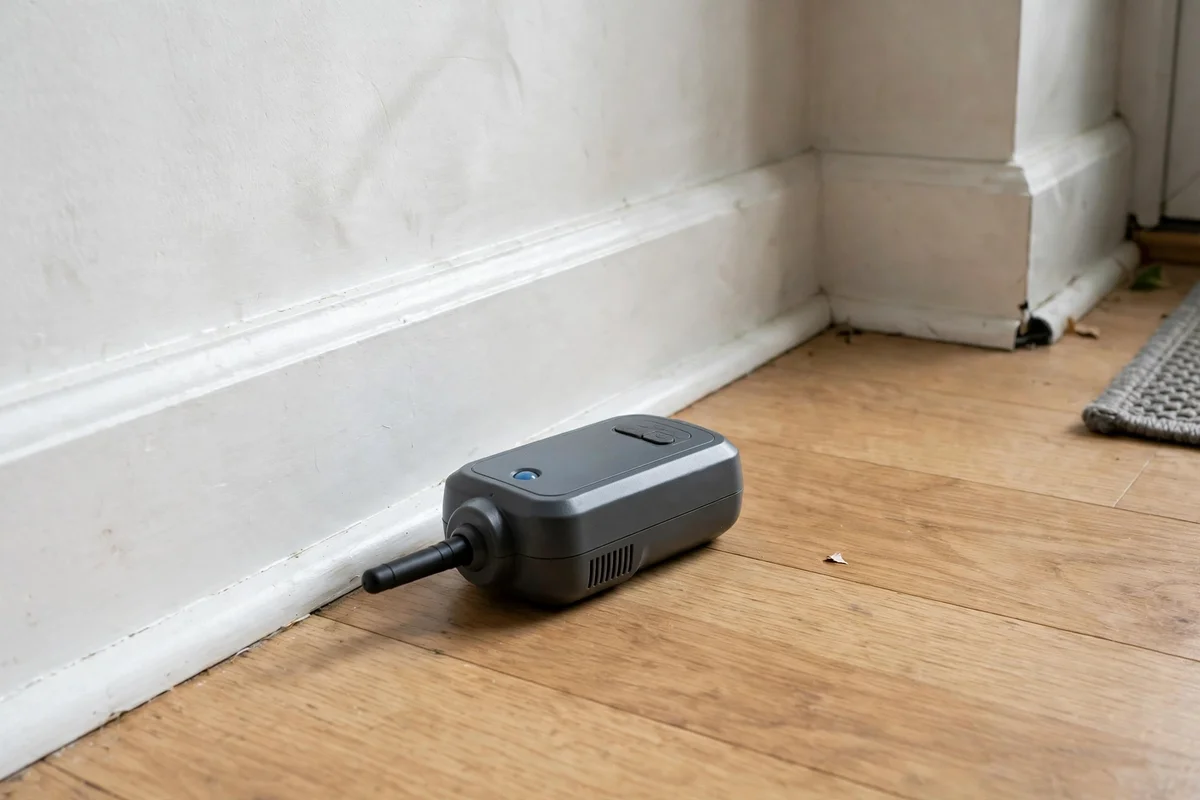
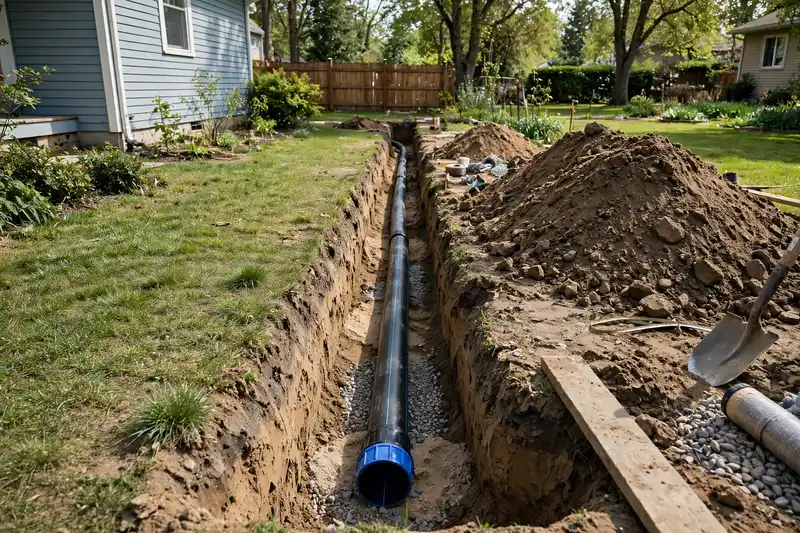
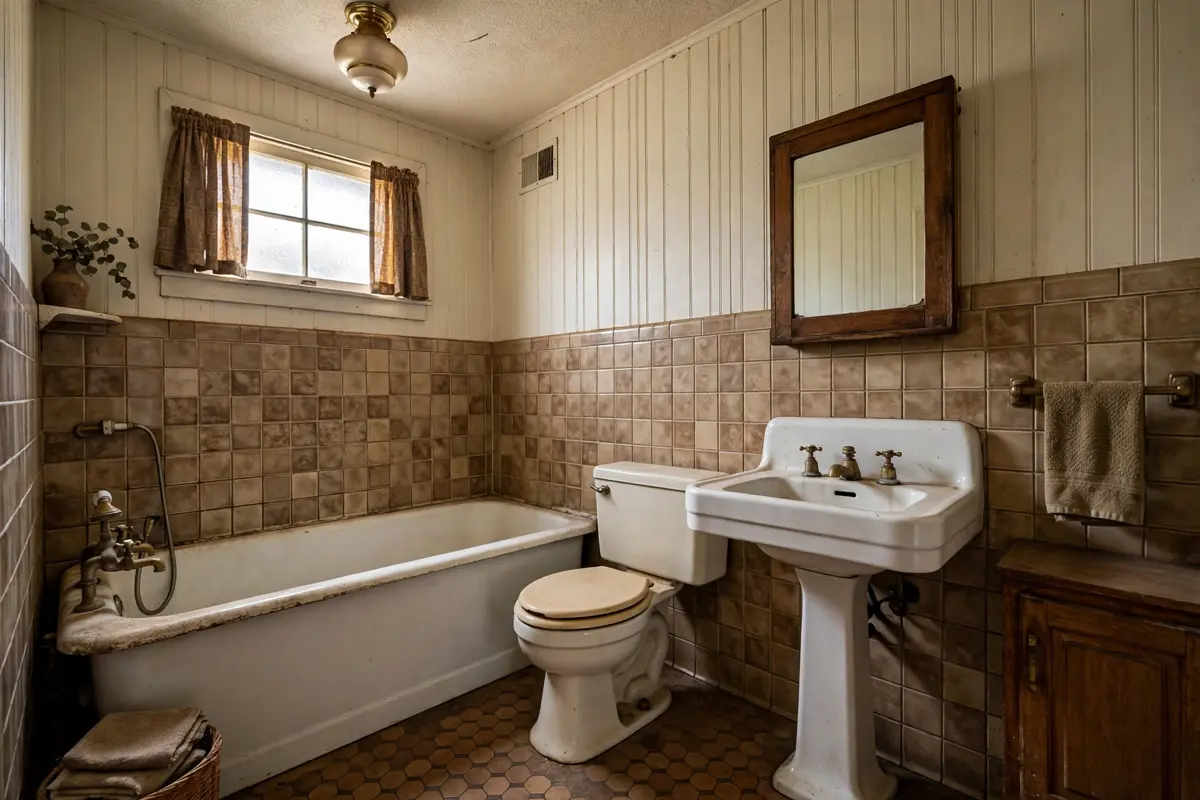
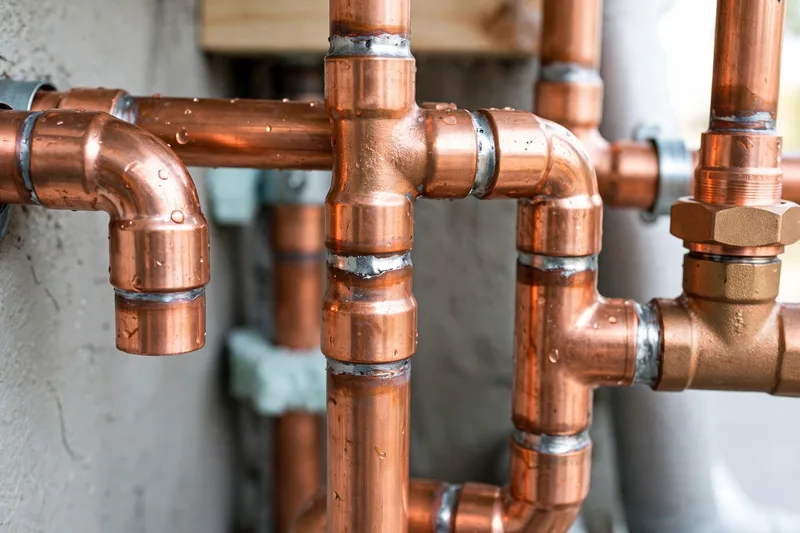
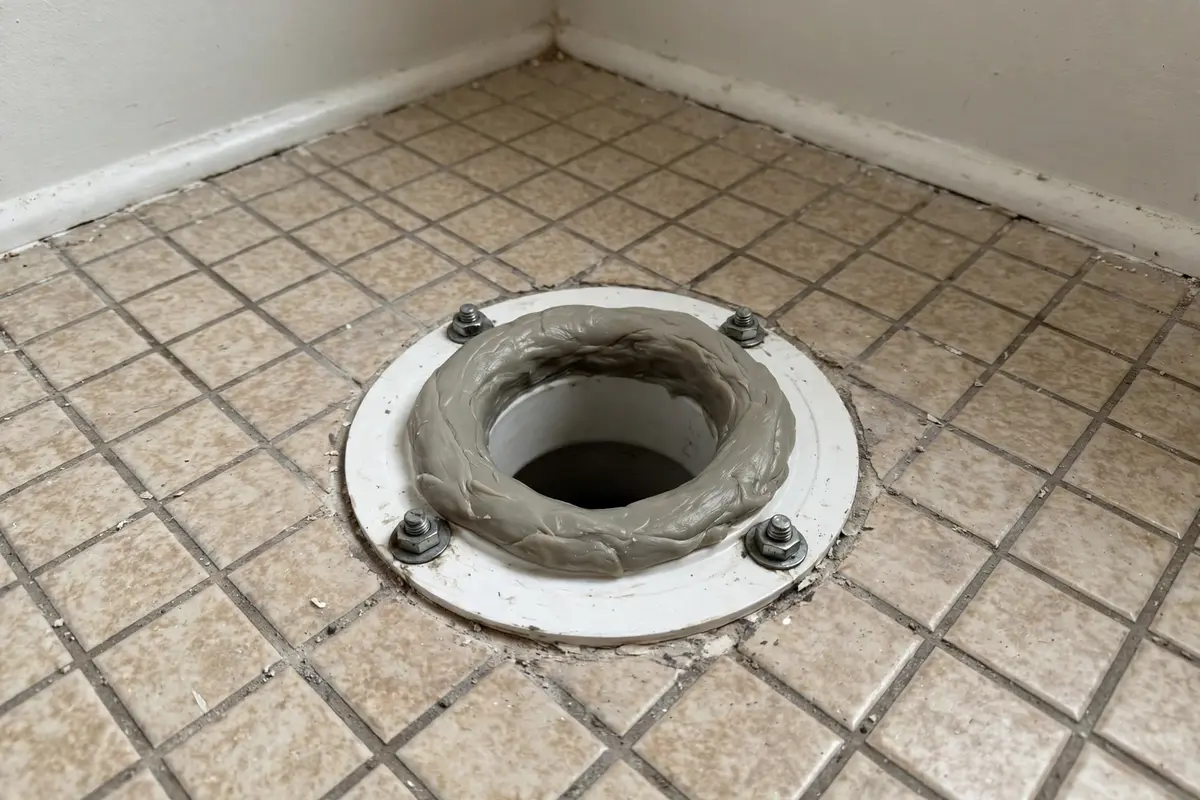


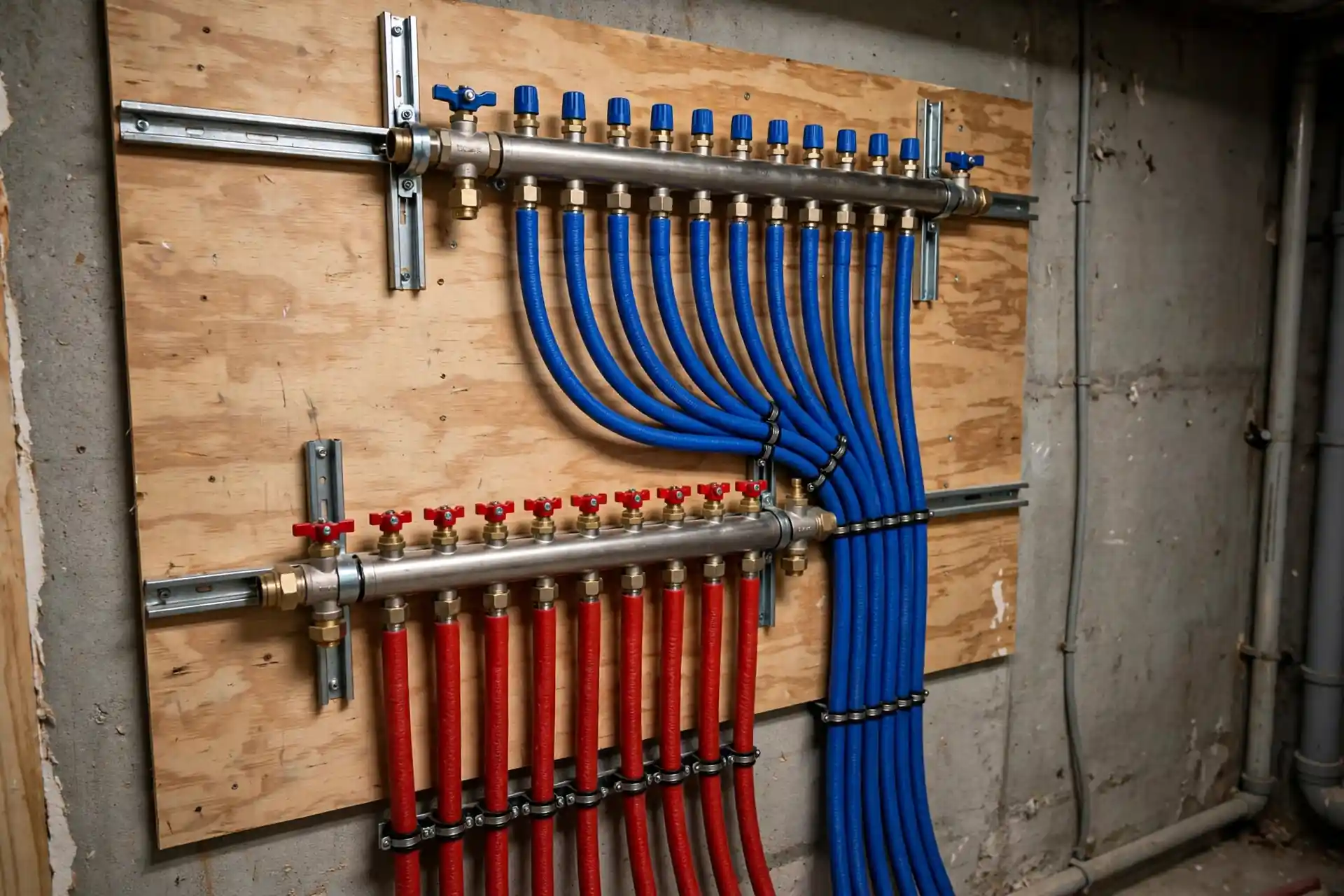
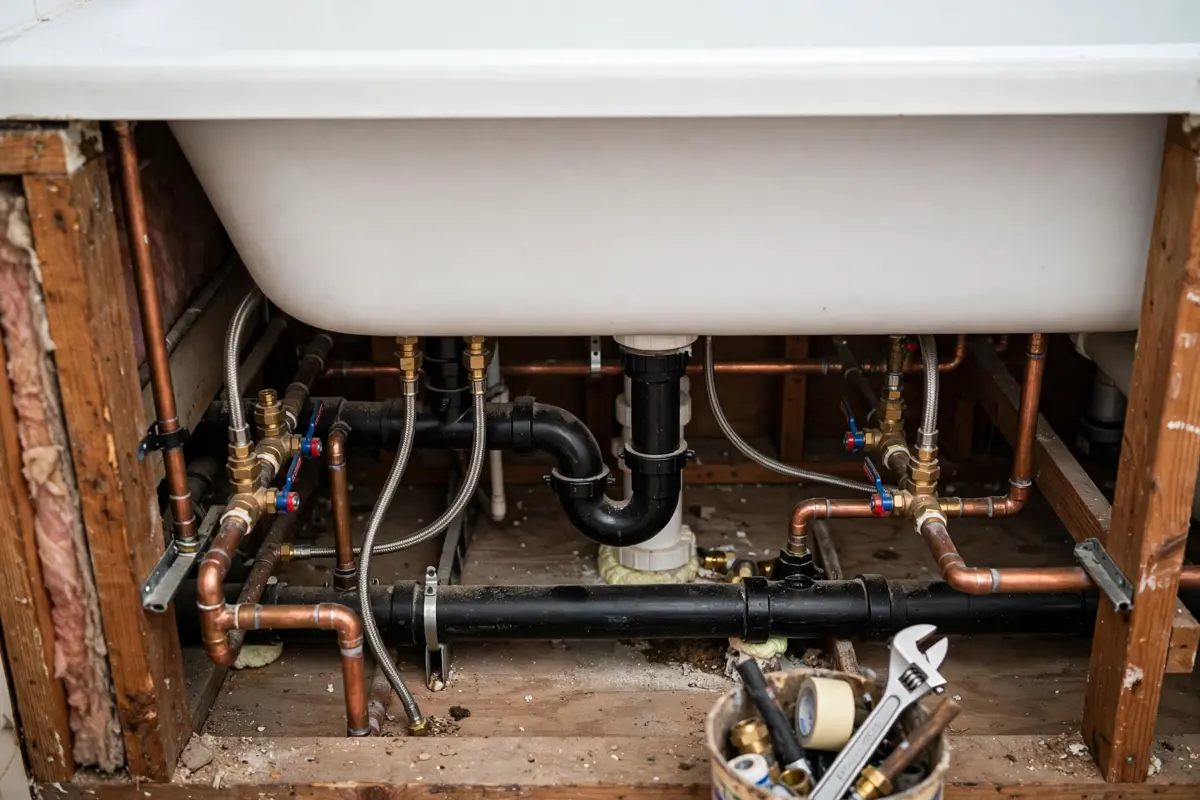
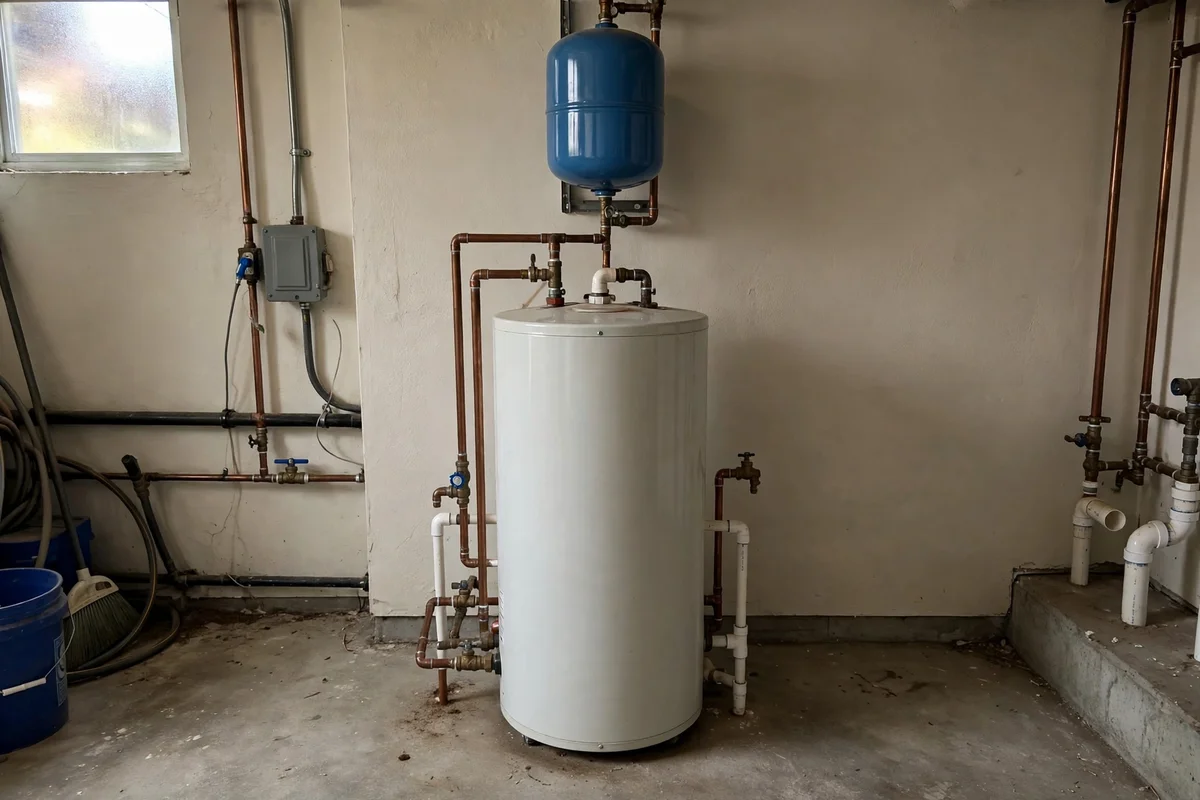
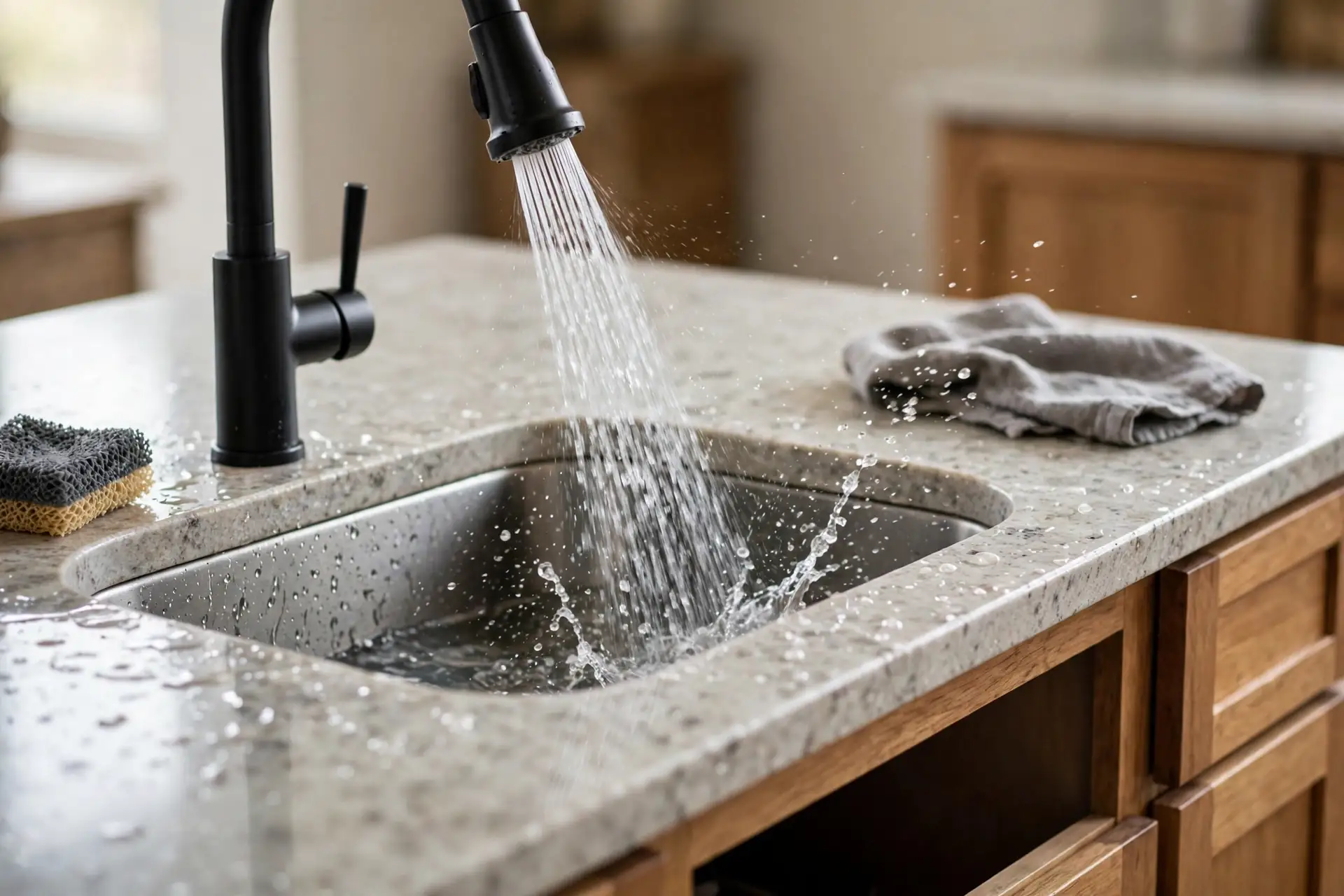
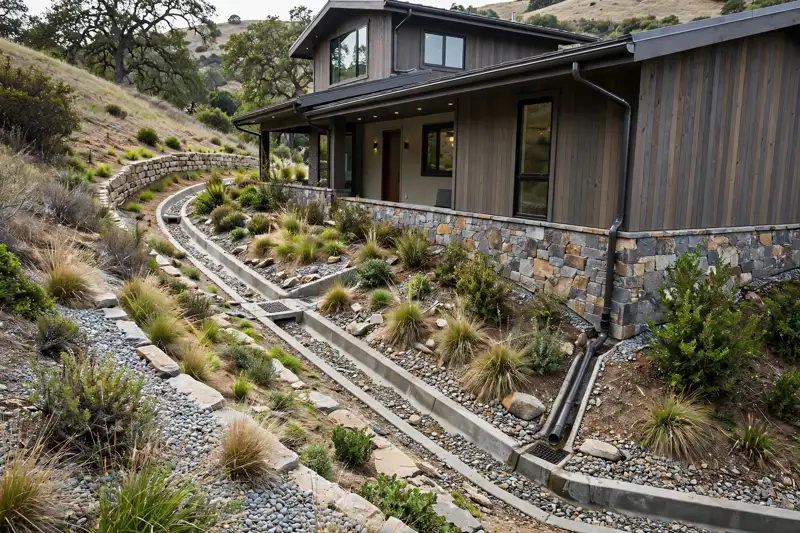
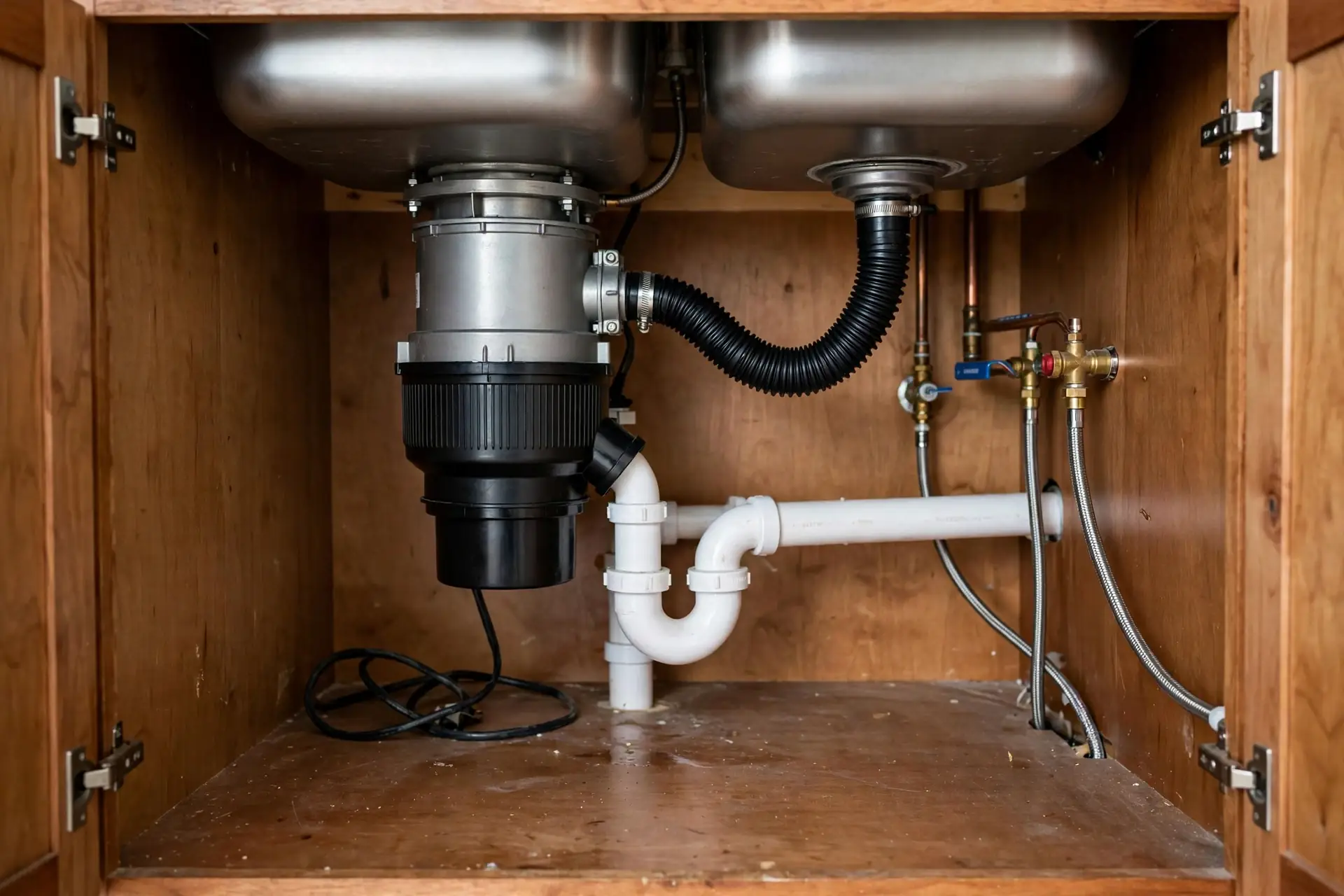
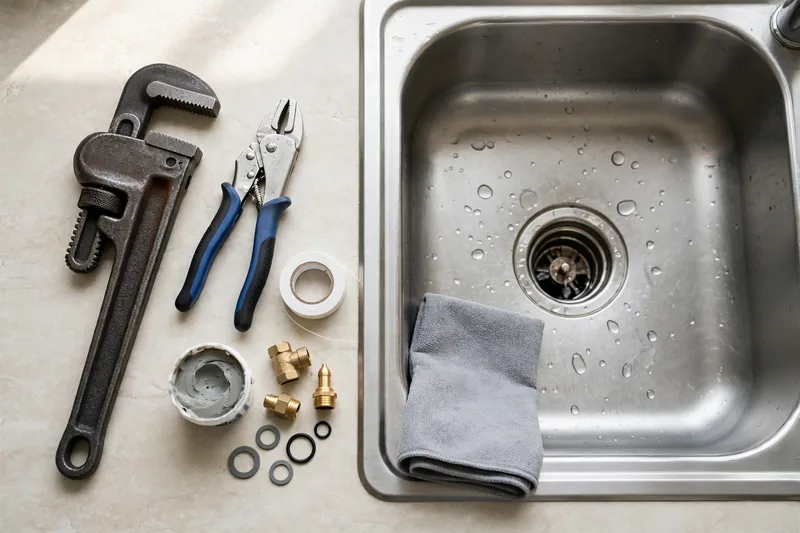
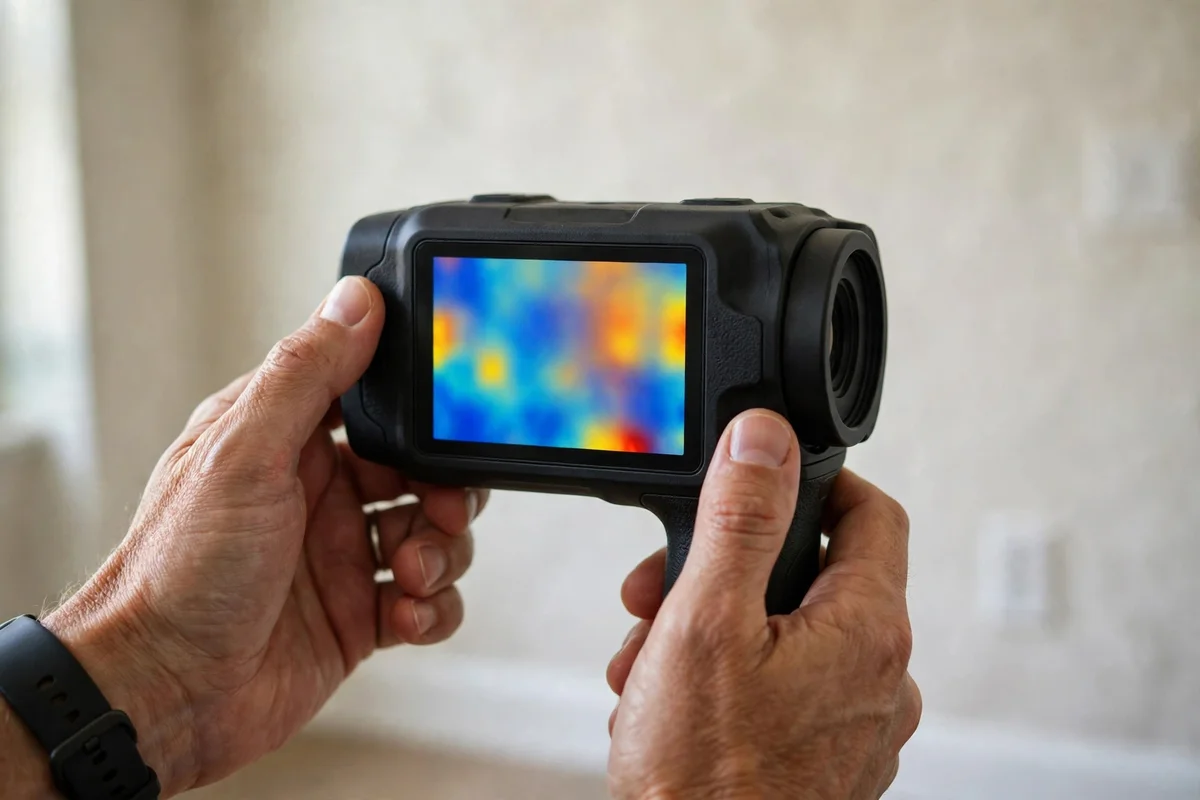
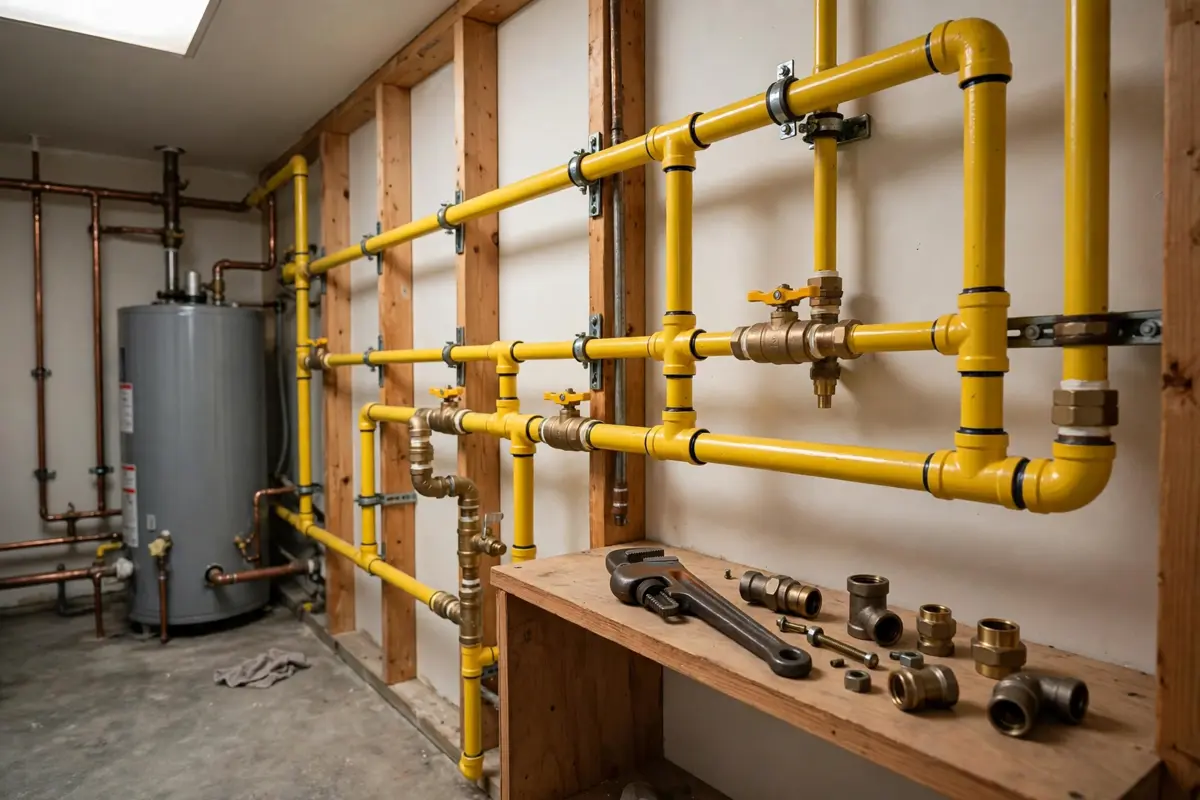
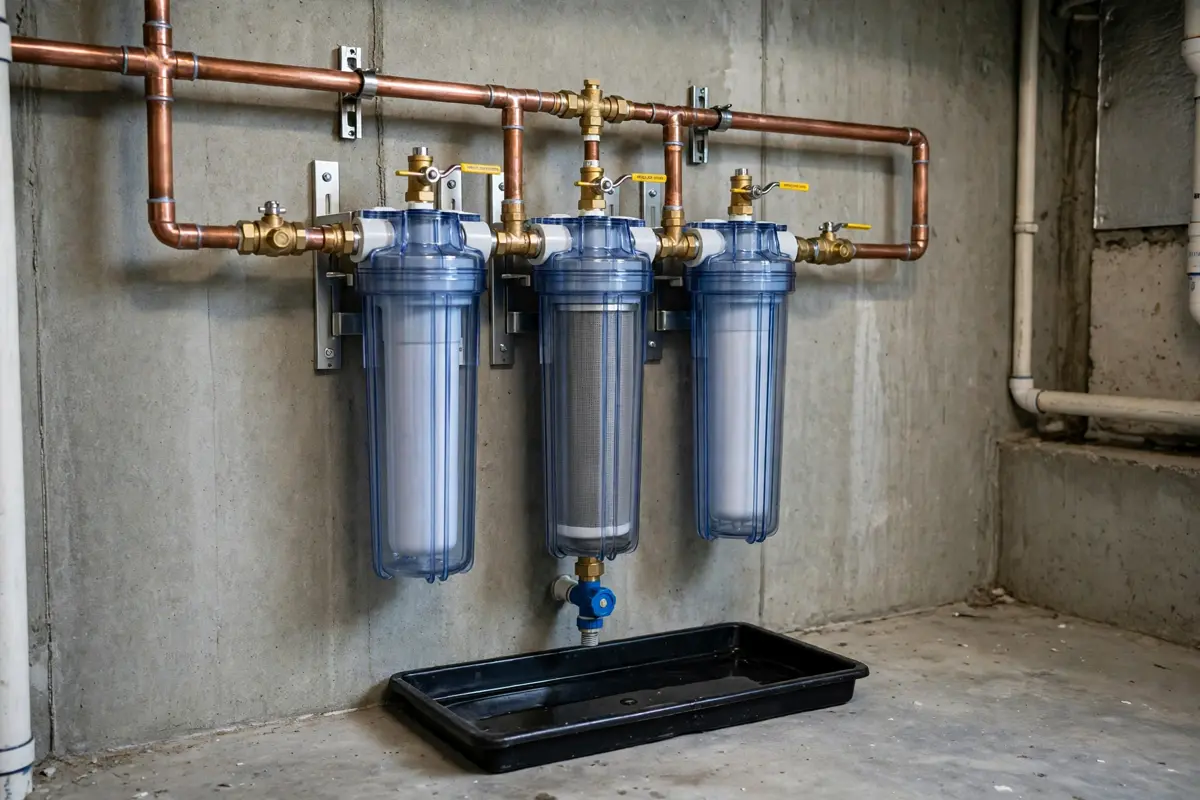

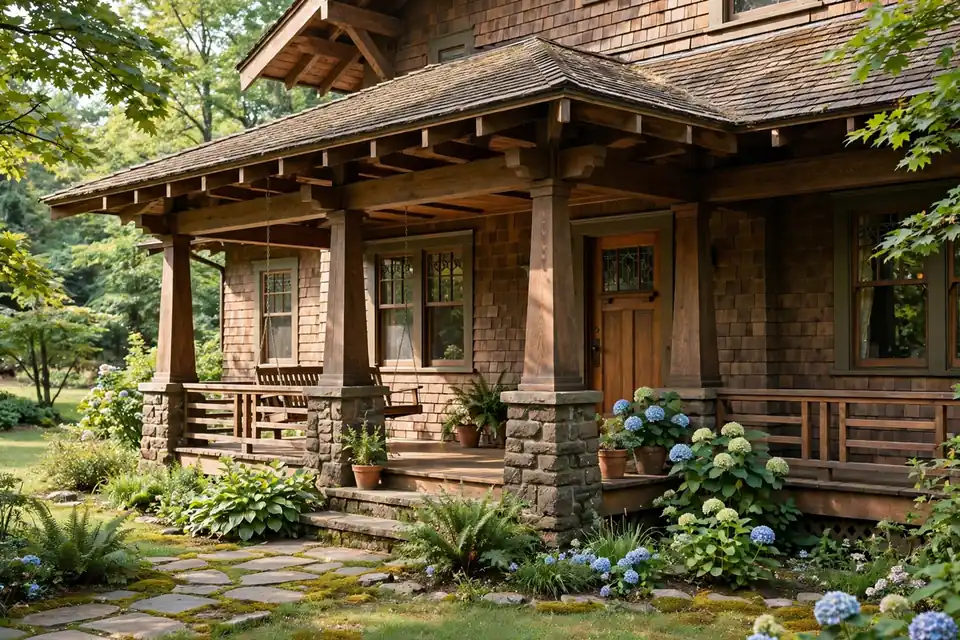
East Anaheim's problems change within a short drive, from flatland ponding to slope runoff, and from galvanised pipe to copper-era aging.
Flatland homes carry galvanised and cast-iron systems at end of life, while foothills homes carry copper-era systems aging differently. Material identification per house matters here, because the two eras fail differently and are fixed differently.
Where flat lots meet foothills grading, sewer laterals change length and grade over a short distance. That affects how a line drains, where it bellies and how a camera run reads, so lateral work here is planned from the grade, not from a standard layout.
Flatland ponding gives way to slope runoff within a short distance in East Anaheim. A drainage complaint at the transition needs both patterns considered, because the fix for ponding is not the fix for runoff.
SR-91 corridor warehouses, offices and retail, plus the Ball Road corridor's commercial frontages, bring restroom banks, tenant-improvement work and shared commercial laterals. Their problems are commercial in scale even when the building looks modest.
East Anaheim signs depend on which end of the area you live in, so note the era and the ground when you call.
A warm floor patch in a flatland home
At the west end, a warm slab patch or damp edge points at a slab leak in an older line. Location work comes first, before any repair is planned.
Pressure fading in a 1970s foothills home
At the east end, fading pressure or aging fixtures usually mean copper-era systems reaching the end of their first life: heaters, valves and fixtures rather than a whole repipe question.
A drain that slows where the ground changes
Drains near the flatland-to-foothills transition can slow when lateral grade or length works against them. A camera run shows whether the cause is grade, roots or a damaged section.
Runoff or ponding near the foundation
Ponding on flat ground and runoff on slopes both threaten foundations and lines, but in different ways. Describe whether water stands or runs, and where it goes, when you call.
A commercial restroom or drain problem on a corridor
Corridor warehouses and retail spaces show trouble as restroom banks backing up or shared drains slowing. Note whether neighbouring units are affected; shared lines are common here.
East Anaheim is defined by transition: era, land use and drainage all change across the area.
The west end's 1950s and 1960s flatland homes and the east end's 1970s Hills homes are described separately on this page.
Warehouses, offices and retail along the SR-91 corridor bring commercial restroom, drain and tenant-improvement plumbing into an otherwise residential story. Their scale and access needs differ from a home job.
The Ball Road corridor adds commercial frontages and residential blocks to the East Anaheim picture. It is mentioned here as a corridor, not as a neighbourhood, and its commercial plumbing follows the corridor pattern.
Hills HOA tracts at the east end and older non-HOA flatland blocks at the west end need different access language: gate and association rules on one side, direct homeowner coordination on the other.
Our service area is Anaheim only. This page does not draw a boundary for East Anaheim, which overlaps the Canyon and Hills areas at its edges; the difference here is era and land use, not a line on a map. If you are unsure whether an address is in Anaheim, call (657) 680-4140.
Rated 5.0 stars from 9 reviews on Google. The reviews below are shown verbatim.
I expected a straightforward process, and that's what happened once coordination with building management was sorted; the plumber installed the new water heater efficiently in about two hours. He made sure to check all connections before leaving, which was reassuring.
CLAIRE TURNER
5-star Google review
The quote was upfront, and the plumber spent a good hour carefully tracing the leak to an unexpected joint behind a shelf, which was more thorough than my previous experience with another company that missed it entirely. I appreciate that he used a temporary seal until he could return with the proper parts later in the week.
พิชามญชุ์ กองทอง
5-star Google review
Unexpected leaks were ruining my morning routine. This plumber arrived on time and swiftly fixed the shower, leaving everything tidy. Their expertise and friendly demeanor made the whole experience stress-free. Highly recommend!
Maria Johnson
5-star Google review
East Anaheim's seasons split by end of the area: flatland rain problems at one end, slope and heater problems at the other.
Spring shows winter's flatland damage at the west end and slope-drainage wear at the east end. Both ends benefit from a camera or drainage check before the dry months.
Tip: Check for slow drains and soggy spots after winter rain, and note any drain that backed up over winter.
Summer loads heaters and irrigation across both eras, with corridor commercial properties adding restroom and kitchen volume. Scale from very hard water shows up in fixtures at both ends.
Tip: A water bill that jumps in summer usually means a hidden leak; note it before you call.
Fall is root season for flatland laterals and a practical time for slope-drainage clearing before winter rain. Corridor properties use the quieter months for planned drain work.
Tip: A drain that slows in fall is worth a camera check before winter rain arrives.
Winter rain ponds on flatland lots and runs off foothills slopes, stressing laterals at both ends in different ways. Backups and damp foundations are the winter signs to watch.
Tip: After heavy rain, note any ponding near the slab and any drain that slows; both are useful details when you call.
East Anaheim sits among other Anaheim areas, each with its own plumbing story. The pages below are all inside Anaheim, and each one is written from that area's own housing and land use.
(Anaheim)
The industrial and business-park area north of SR-91, where commercial plumbing dominates.
View Anaheim Canyon(Anaheim)
Hillside homes with slope drainage, irrigation and pool plumbing, served by the parent page only.
View Anaheim Hills(Anaheim)
The oldest Hills pocket, with pre-master-plan tracts from the 1940s and 1950s.
View Peralta Hills(Anaheim)
High-rise and mid-rise homes around the stadiums and arena, with shared stacks and building-manager coordination.
View Platinum Triangle(Anaheim)
The civic and commercial core, with the Packing District, the Promenade and loft and apartment blocks.
View Downtown Anaheim(Anaheim)
Mid-century homes and apartment blocks across the southern part of the city.
View South AnaheimReal answers from our team for the questions we hear most often before a job starts.
Whether your home is a flatland tract or a foothills house, or your property sits on a commercial corridor, call (657) 680-4140. We are open 24 hours, Monday through Sunday.
Call (657) 680-4140 for plumbing in East Anaheim. We are open 24 hours, Monday through Sunday, by phone only. Our office is at 1282 S Magnolia Ave, Anaheim, CA 92804. Tell us which end of the area you are in and the home's era, and we will talk through the next step.
Phone
(657) 680-4140Address
1282 S Magnolia Ave, Anaheim, CA 92804
Hours
Open 24 hours, Monday–Sunday