
The city's oldest pipe stock
Late-1800s and early-1900s homes carry galvanised and cast-iron systems and pre-standard laterals. That is the oldest plumbing in Anaheim, and it sets the Colony apart from every tract neighbourhood in the city.
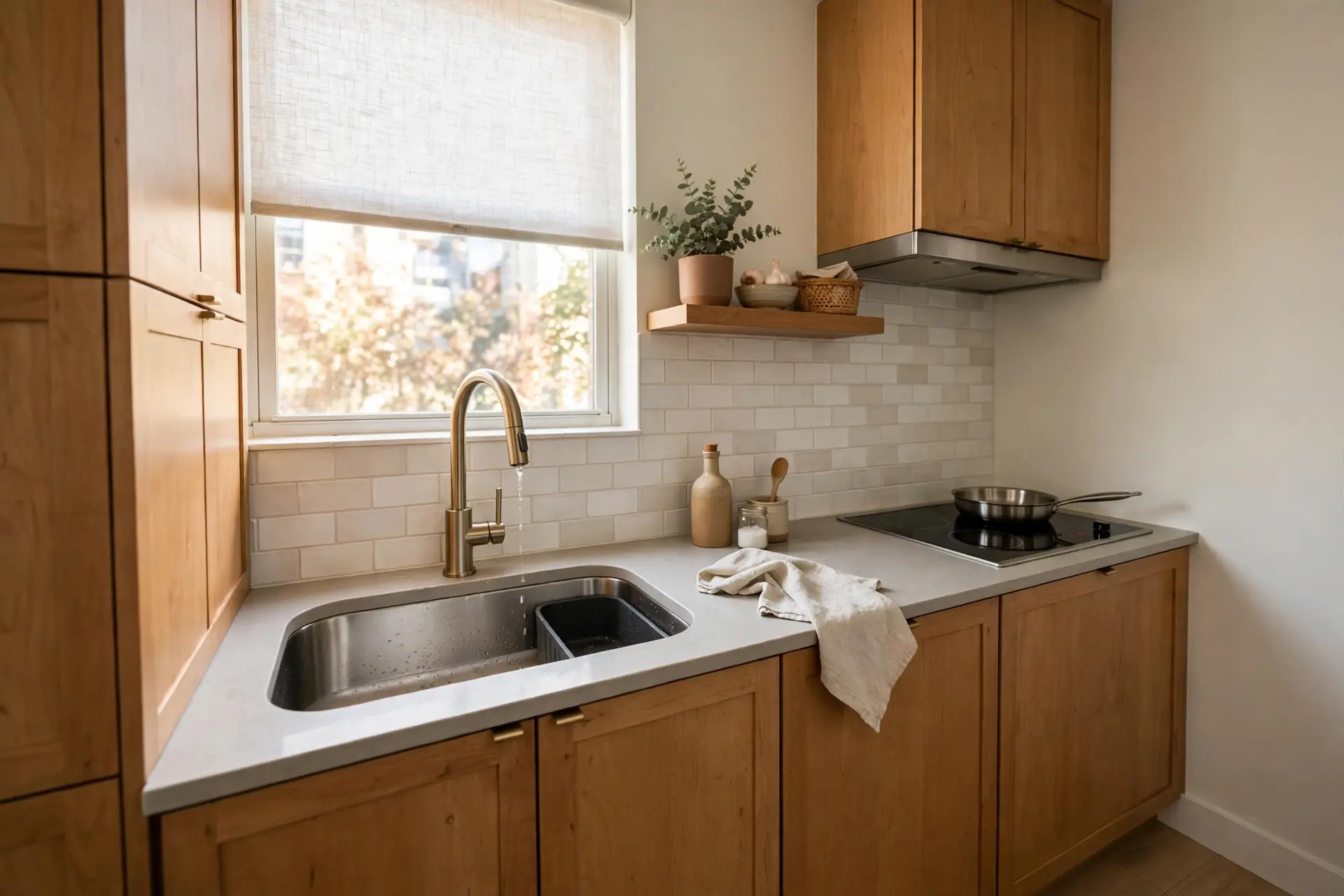
The Colony, also known as the Anaheim Colony Historic District, holds the city's oldest homes, with a listing median year built around 1930. That age is the whole story: pre-standard laterals, period fixtures in non-standard sizes, and pipe that has outlived several generations of repairs. Work here is also character-sensitive, because the district's historic standing means exposed runs and exterior changes need a different approach from a tract-home job. No two Colony houses should be assumed alike.
The Colony calls most often for leak detection, repiping advice, sewer camera inspection and fixture work that respects period sizes. Gas line repair is also available; see the gas line repair page.
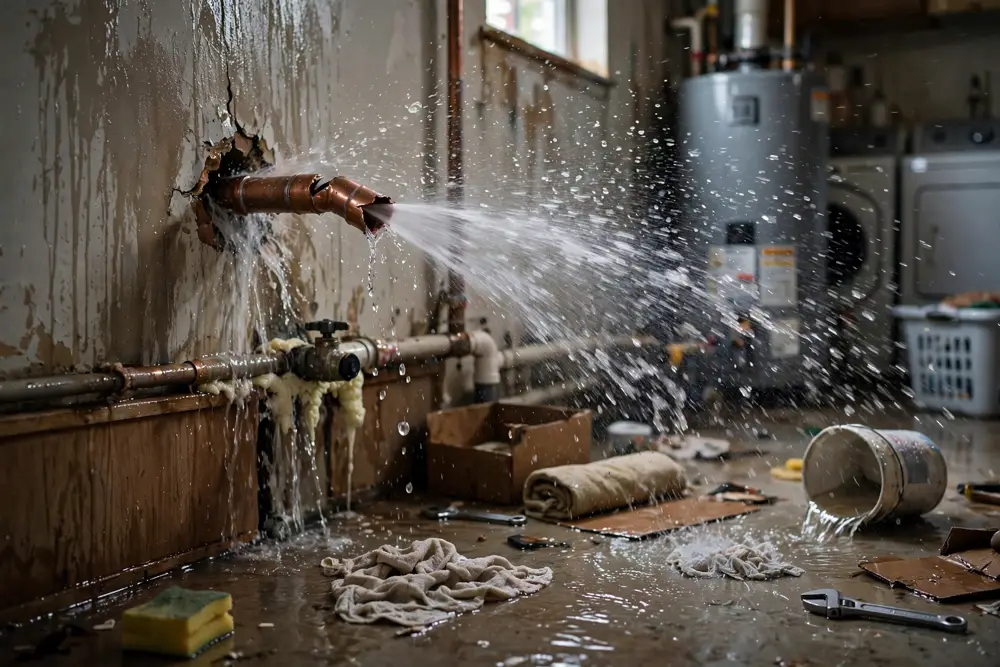
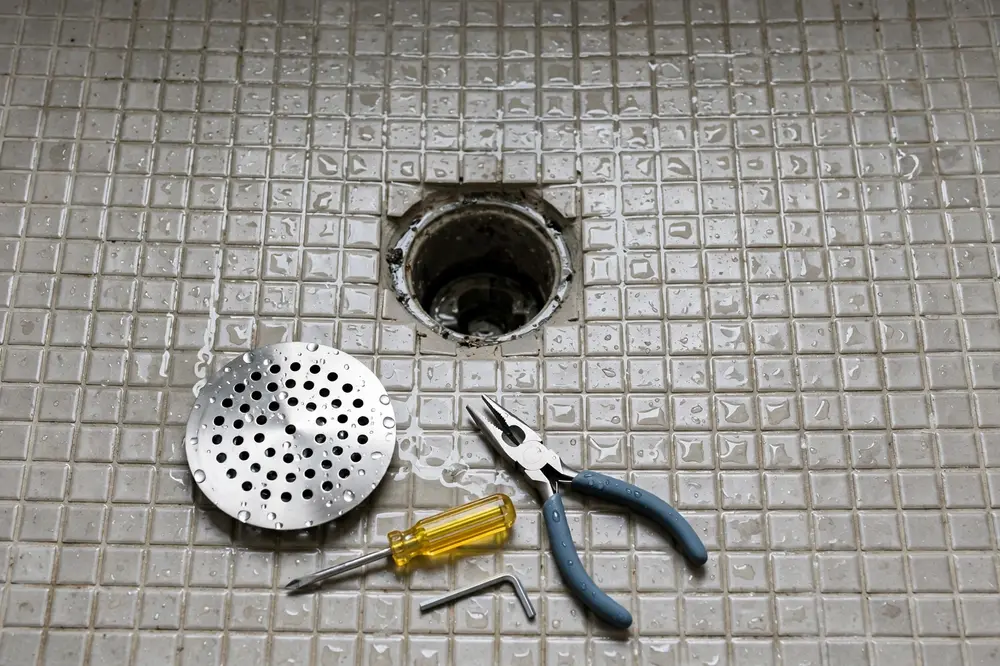
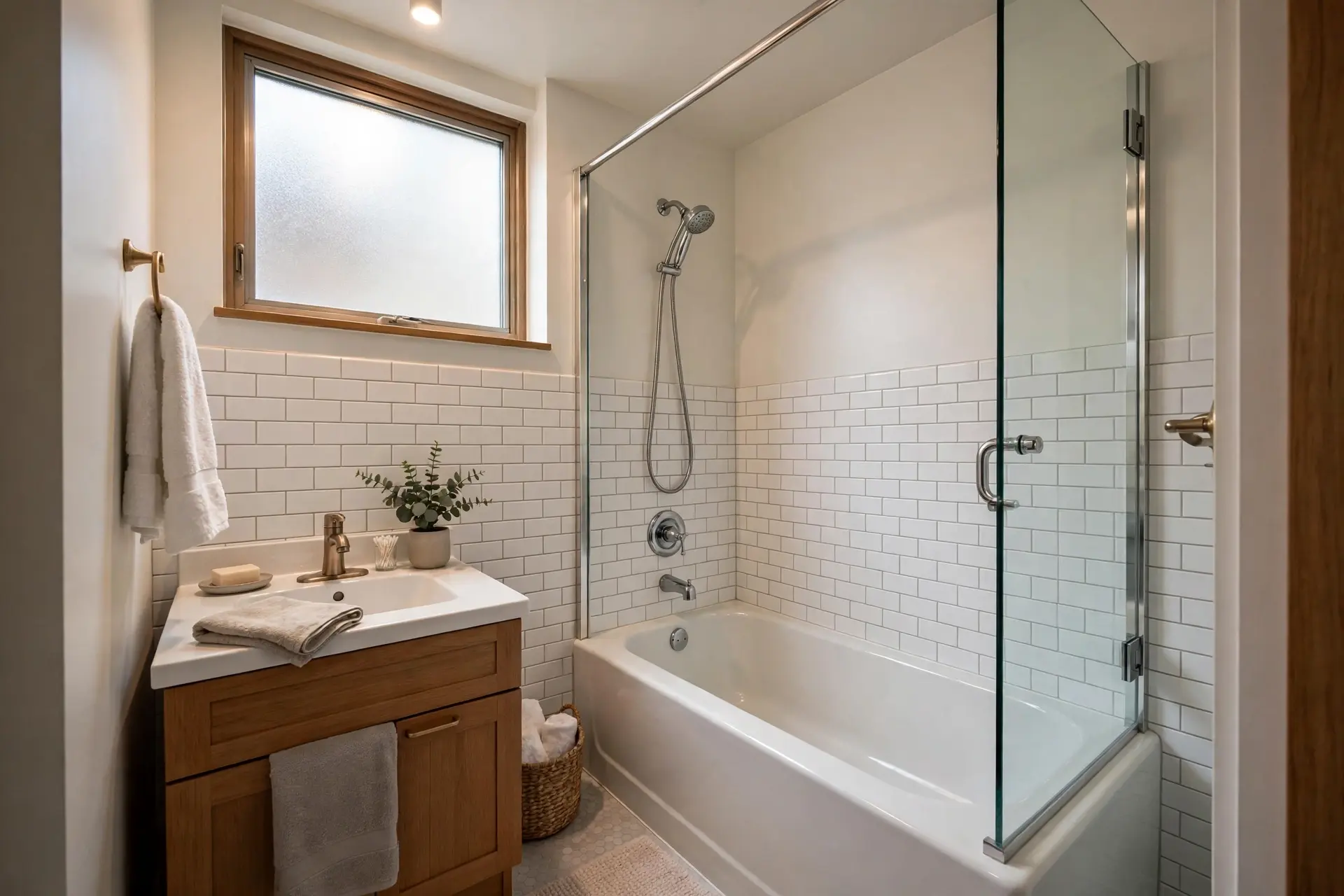
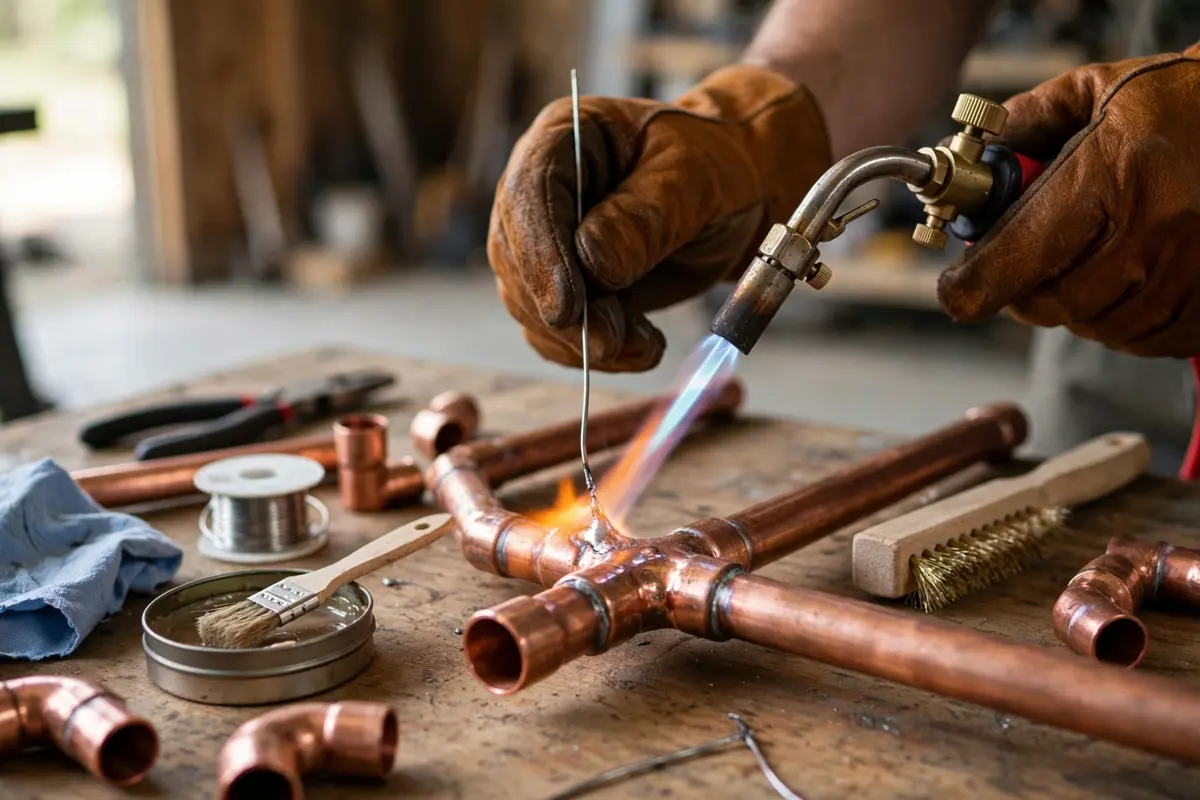
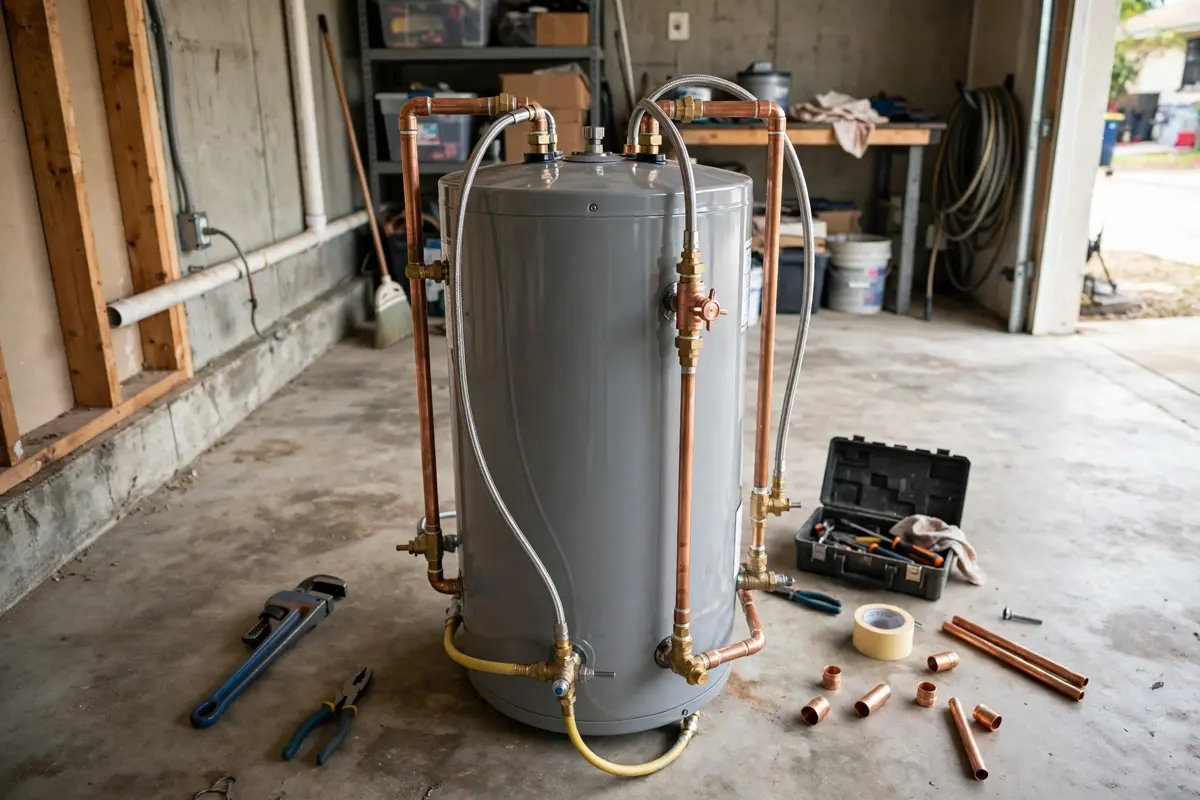
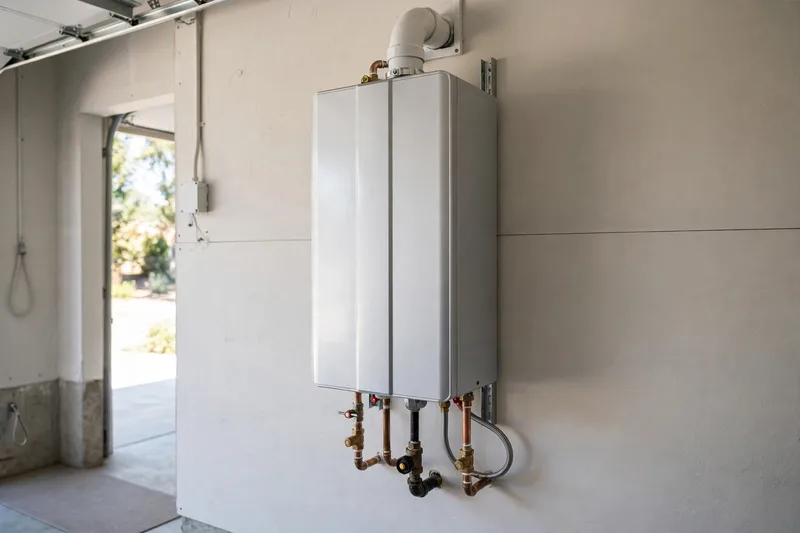
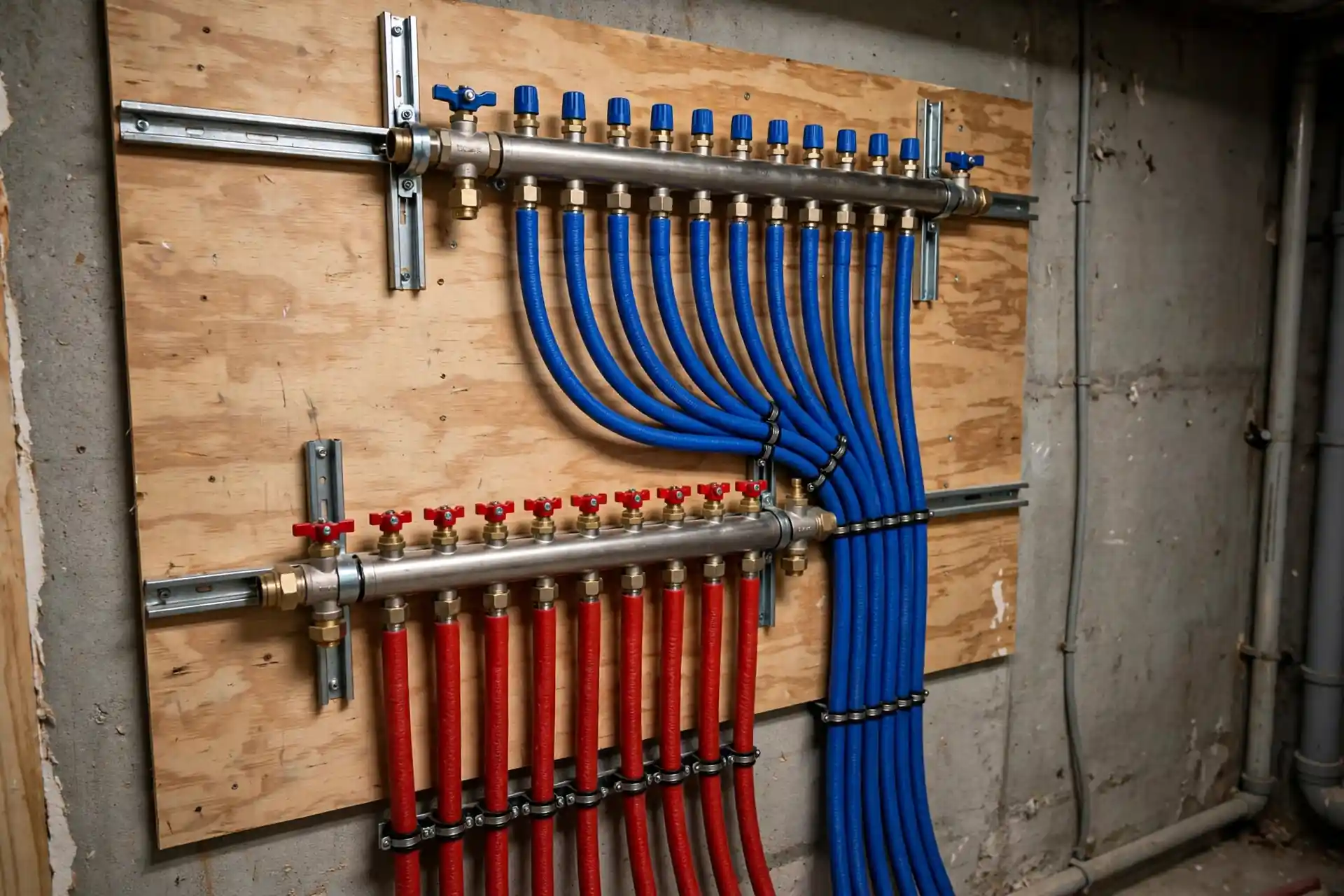
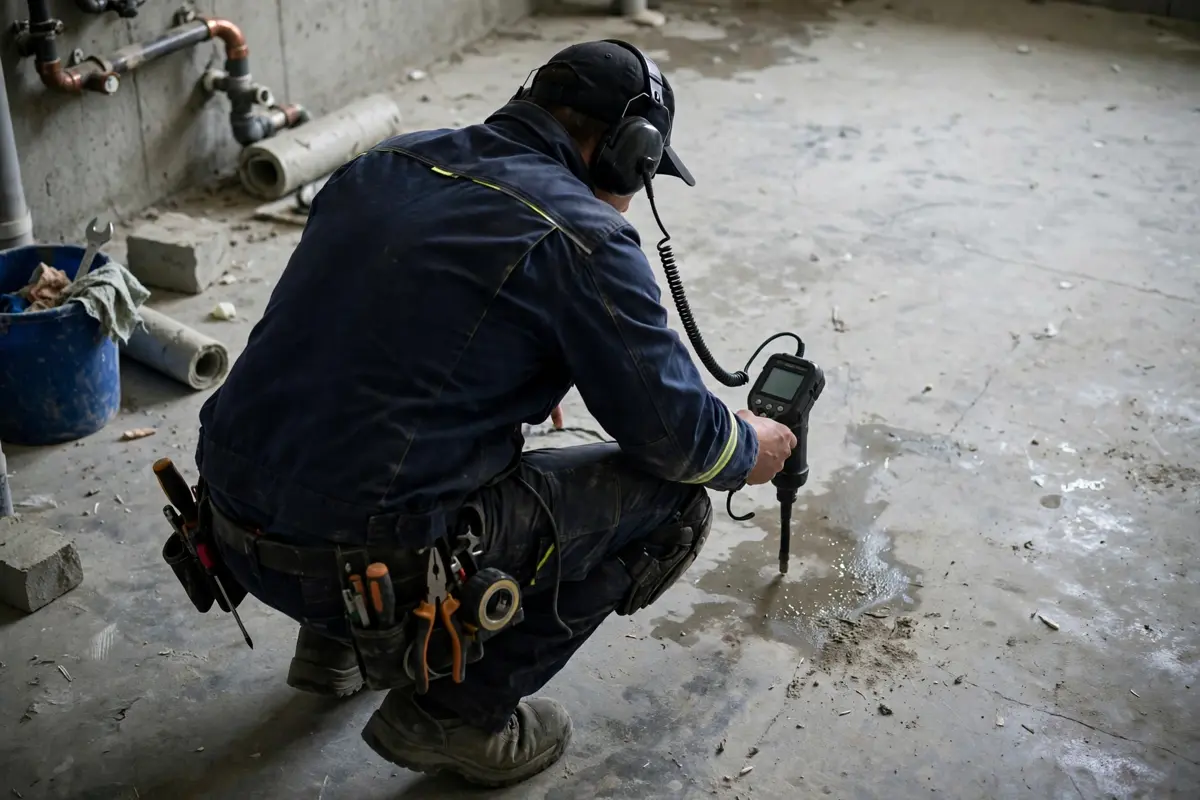
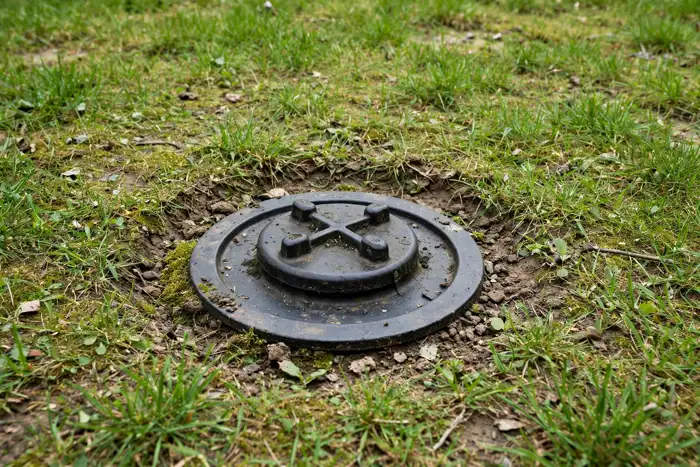
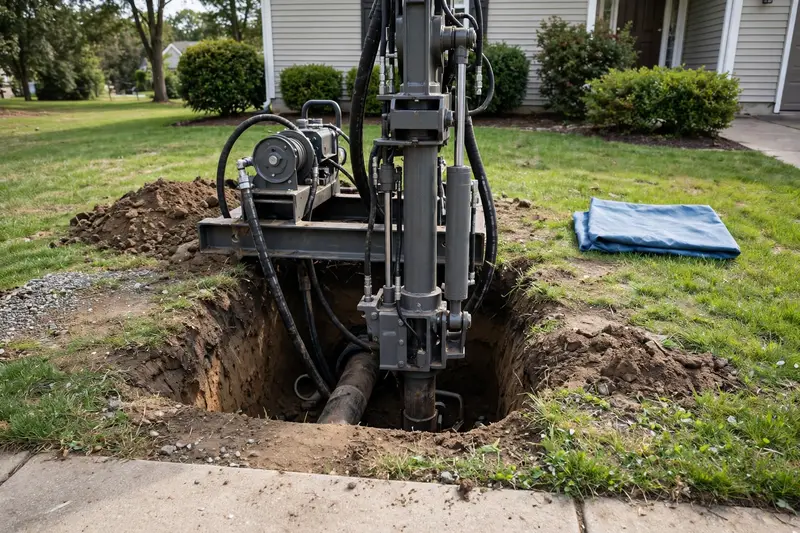
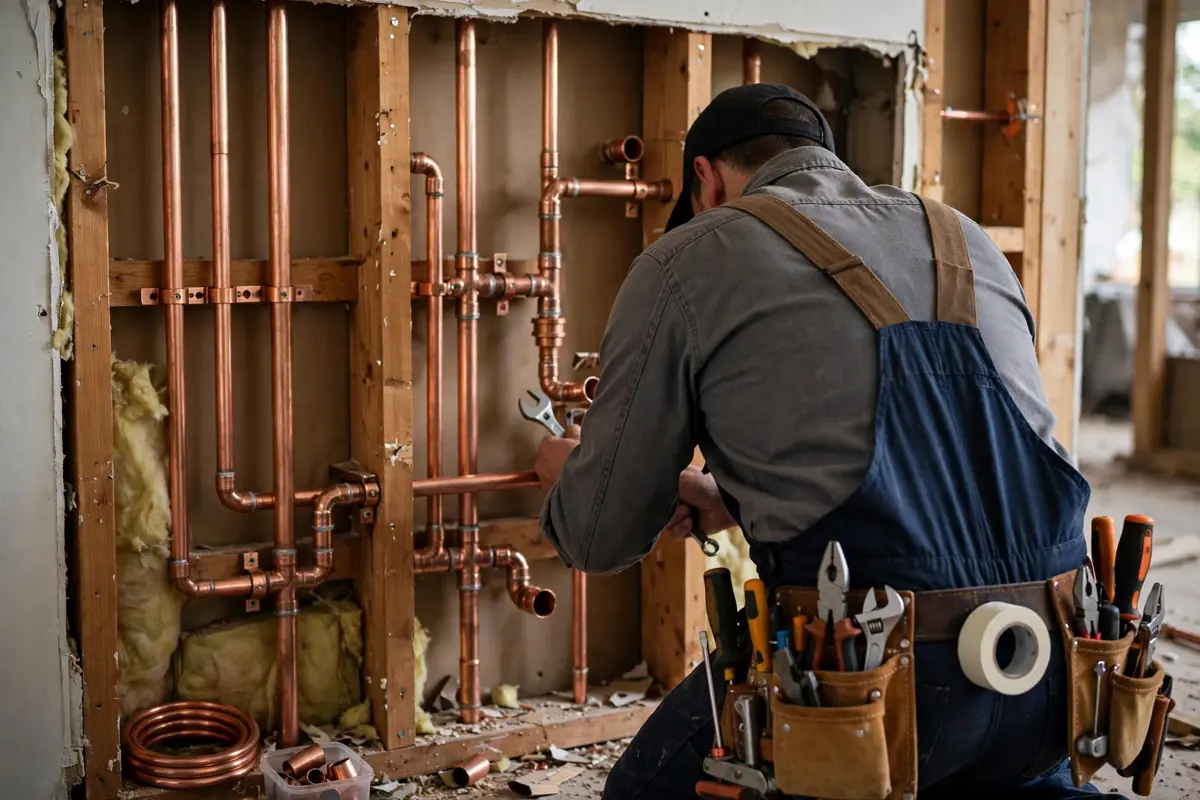
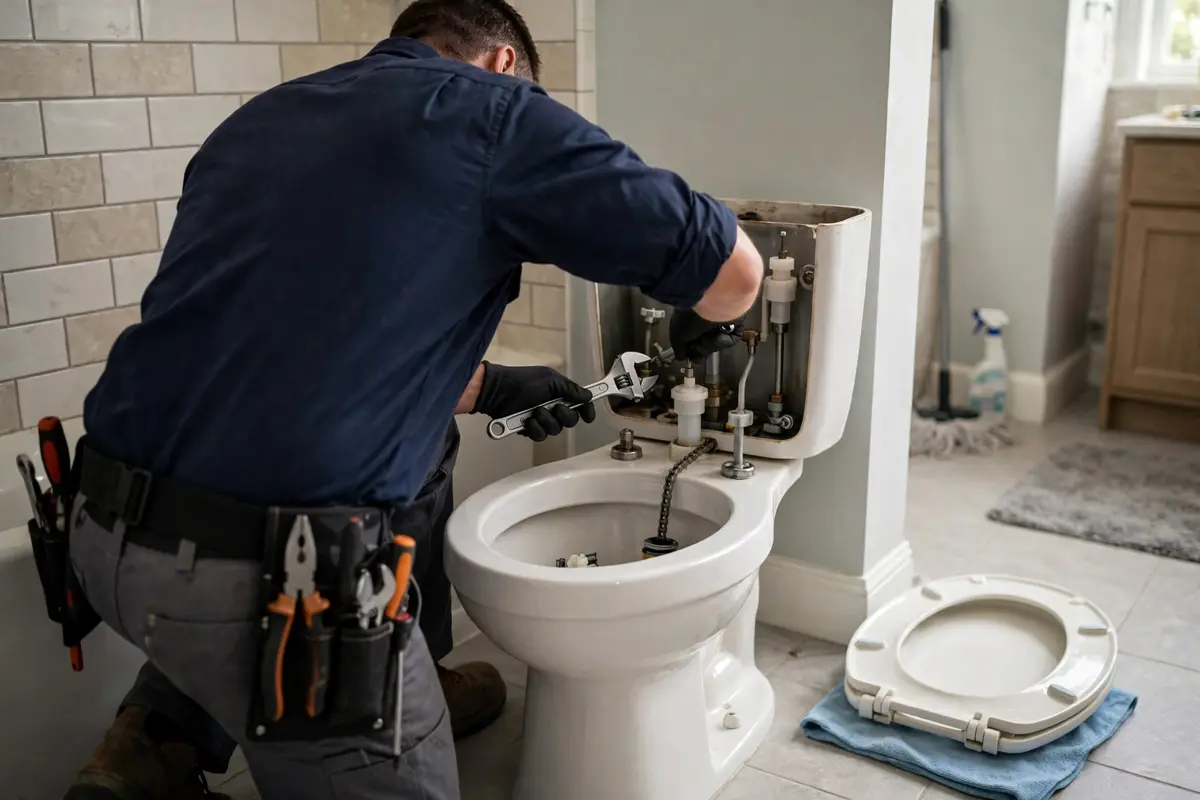
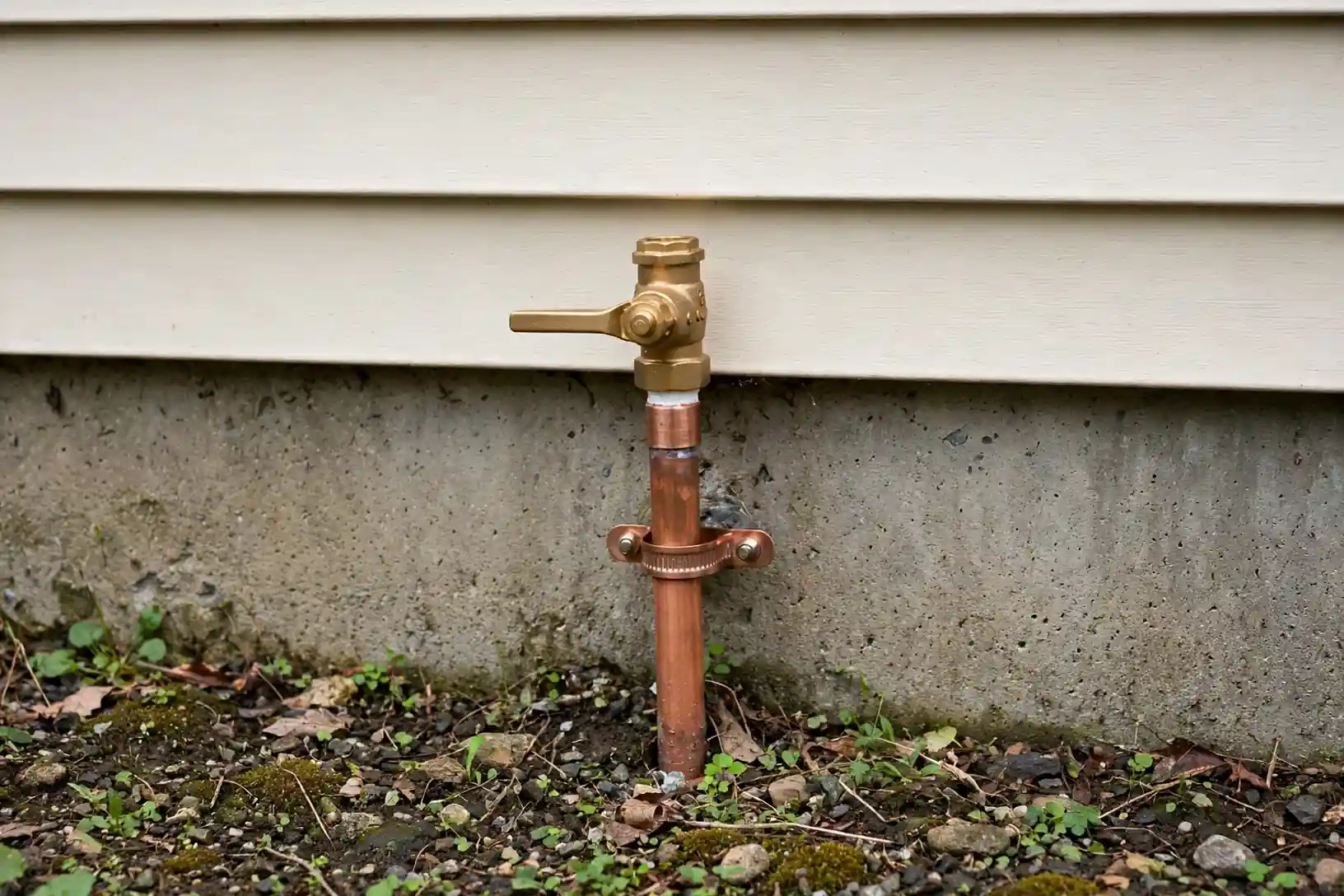
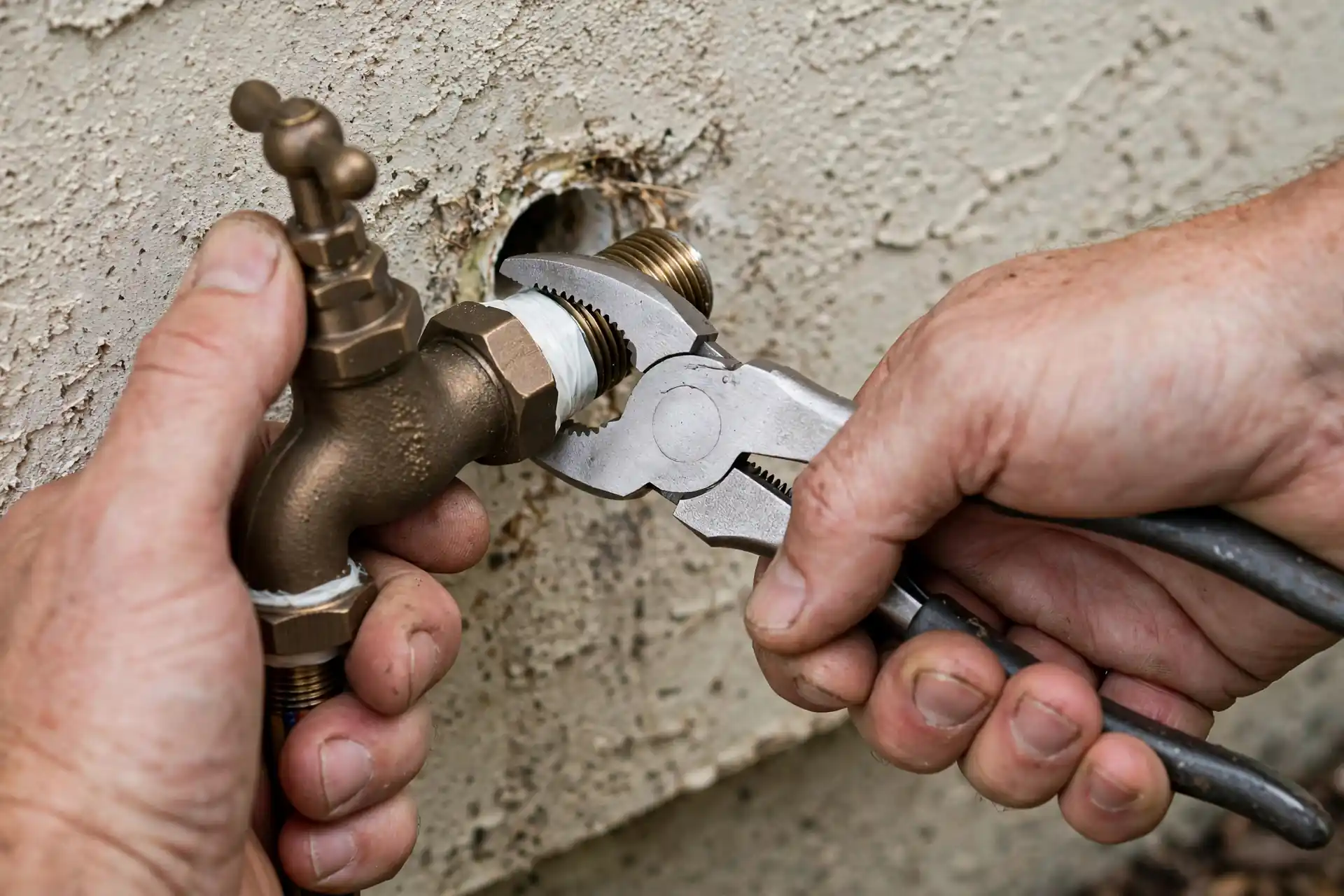
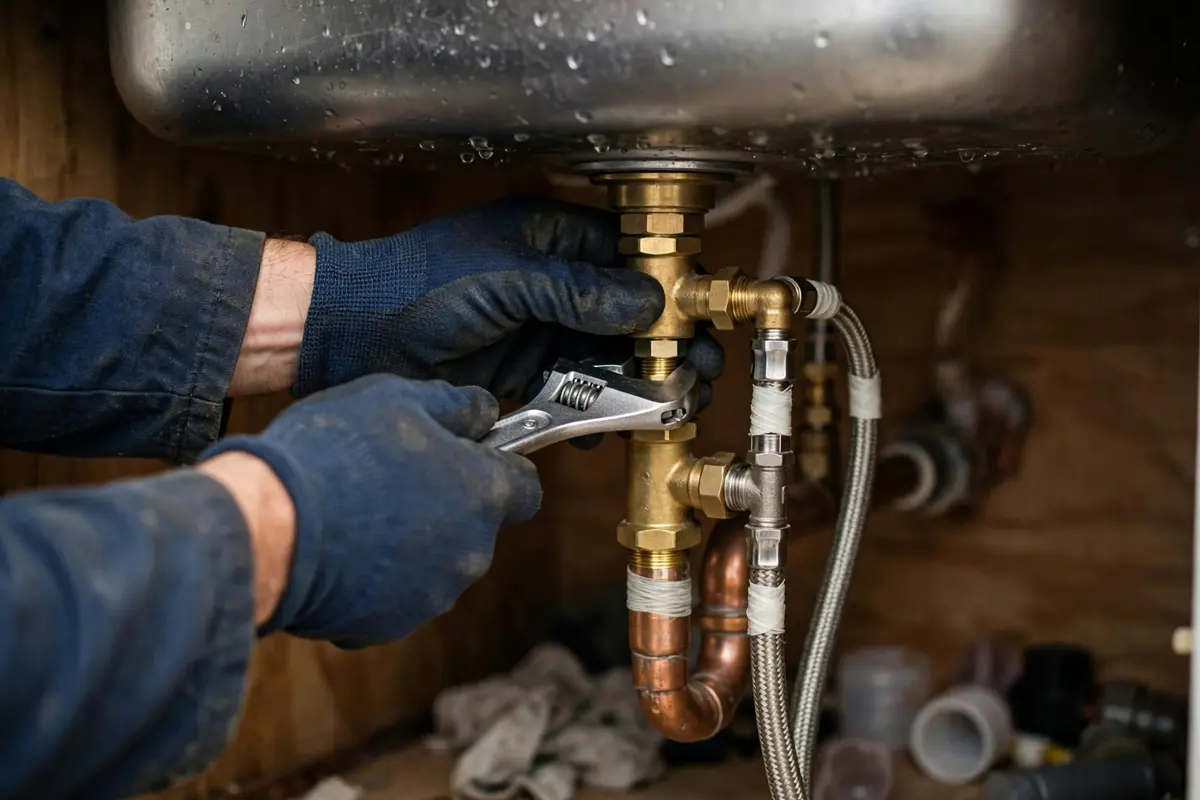
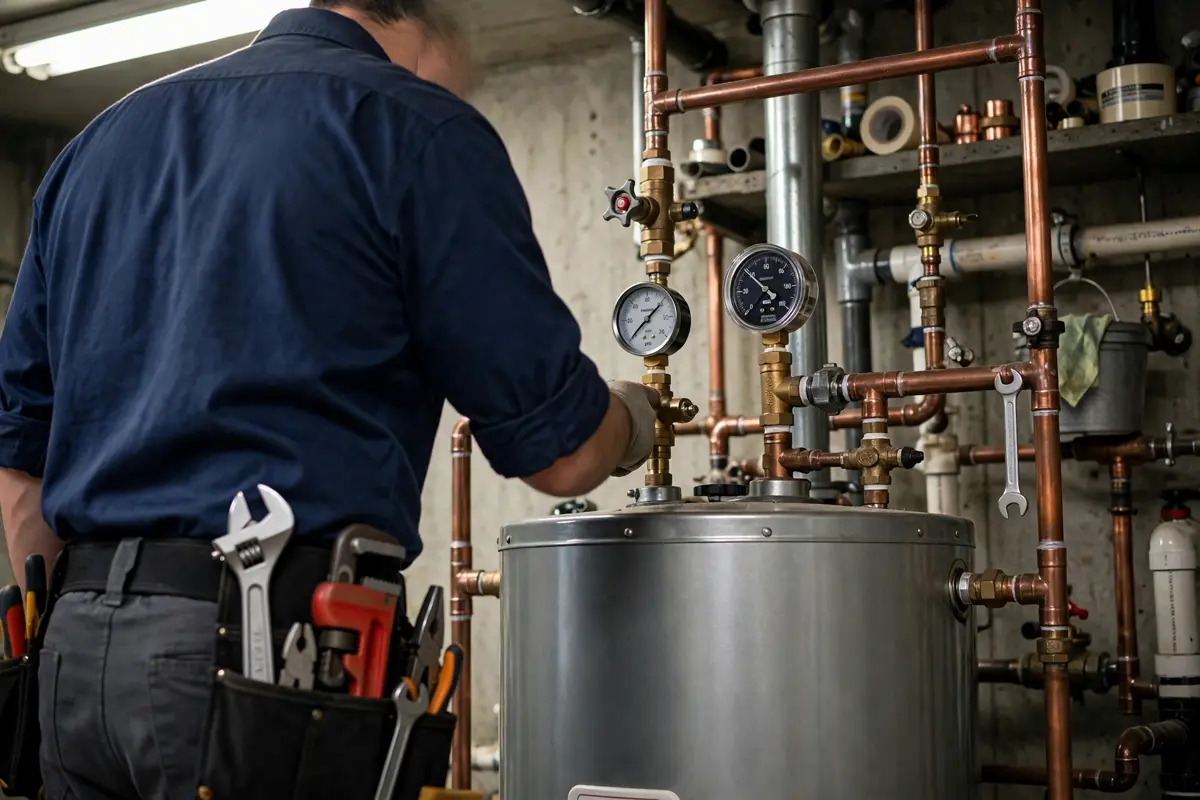
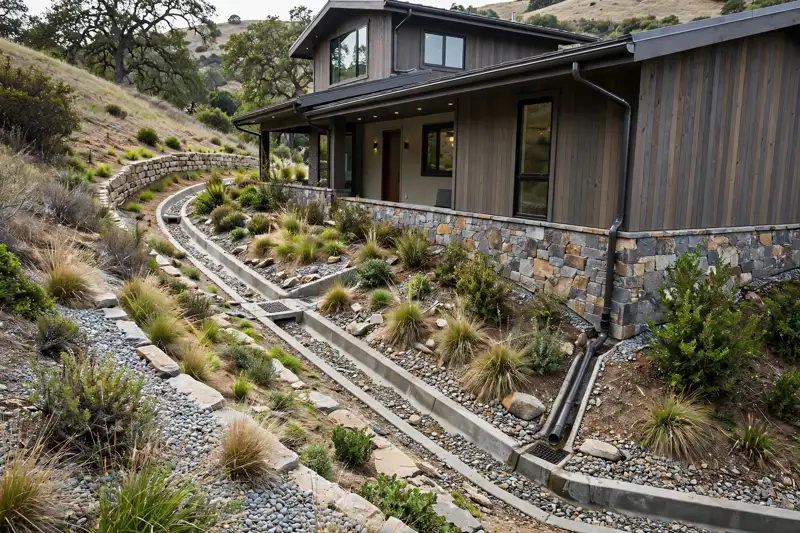
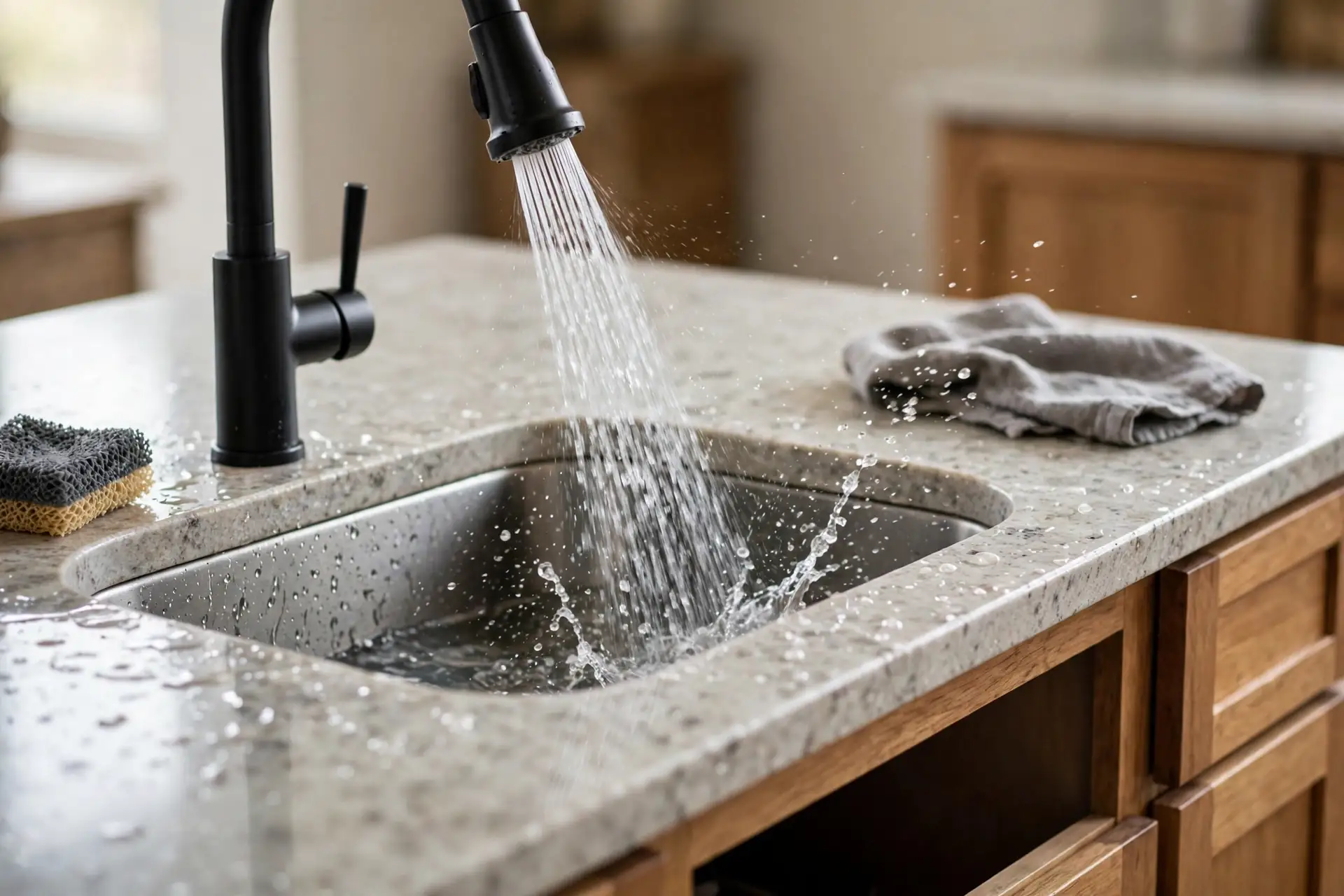
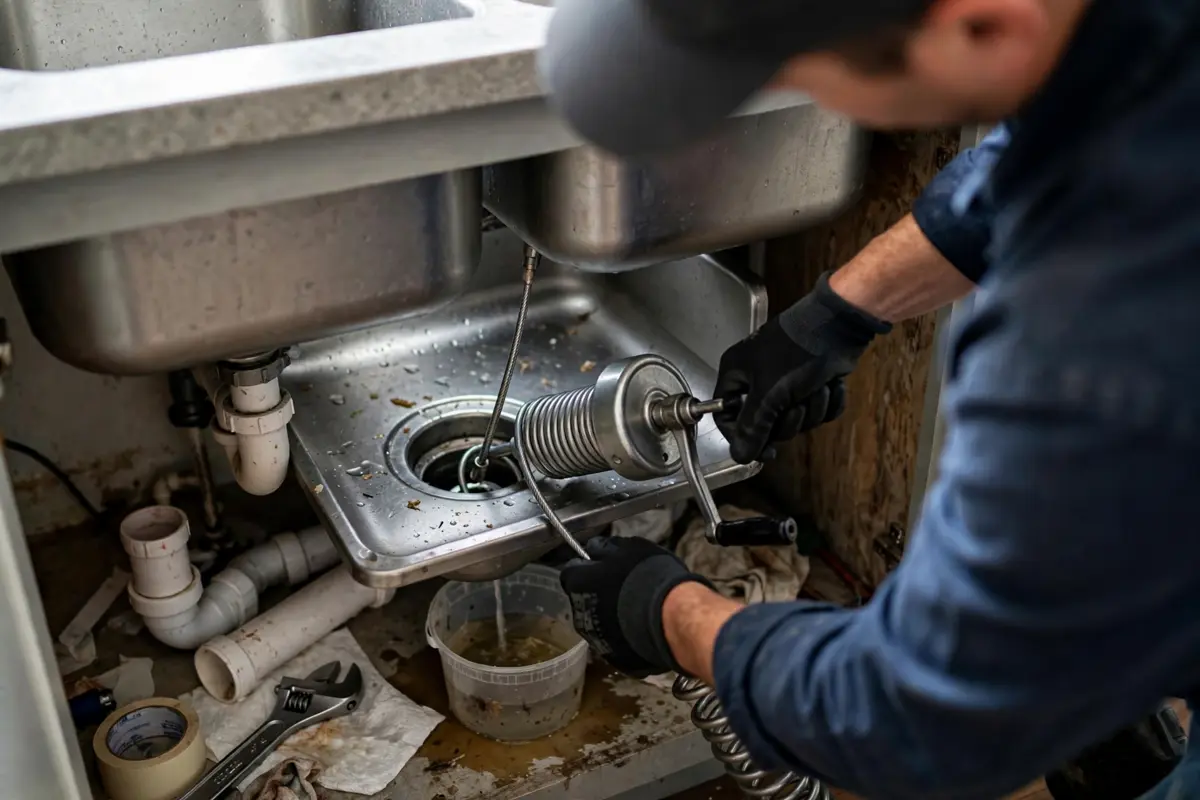
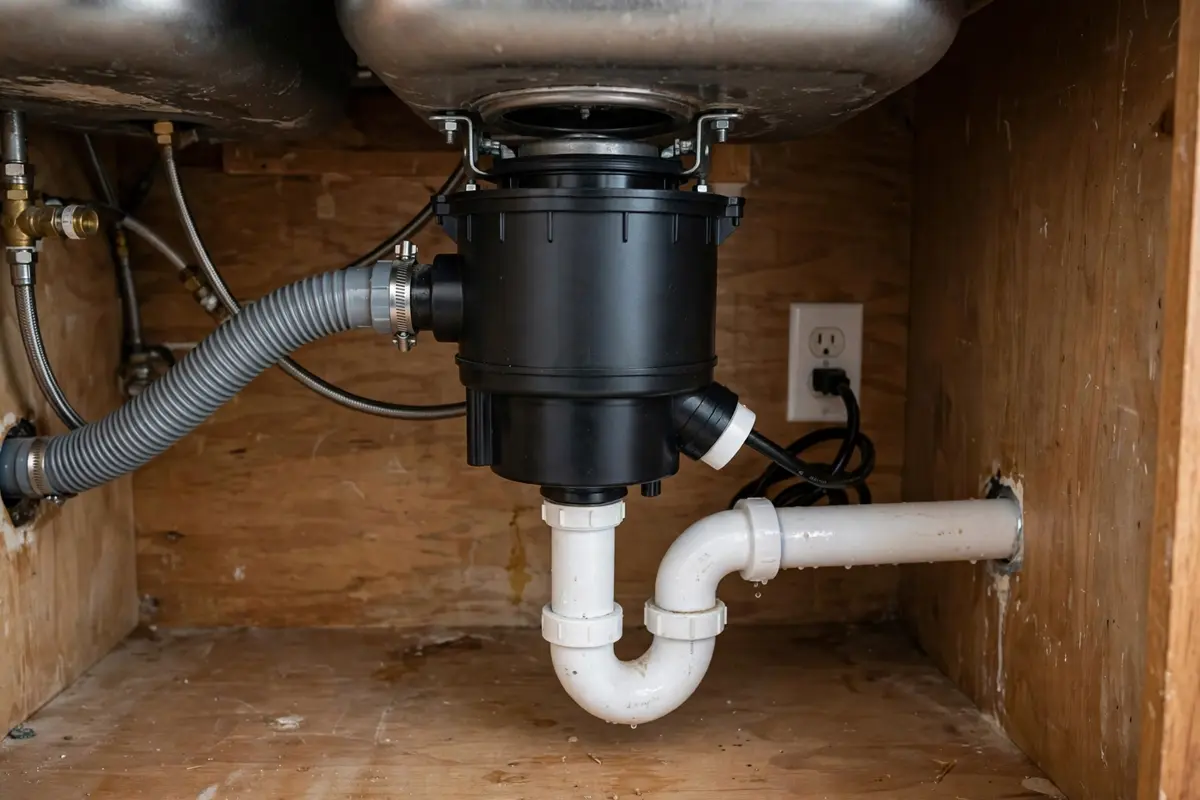
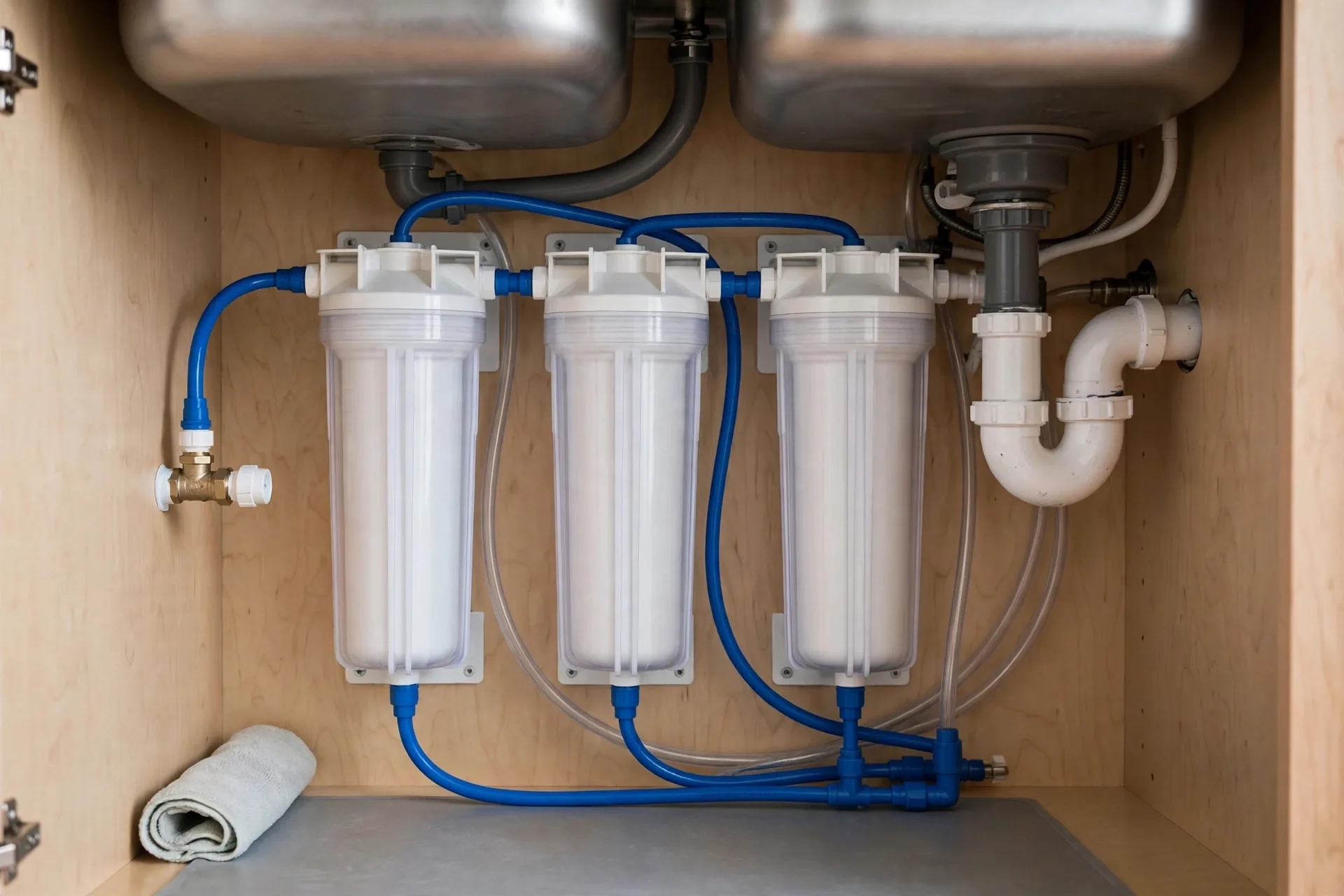

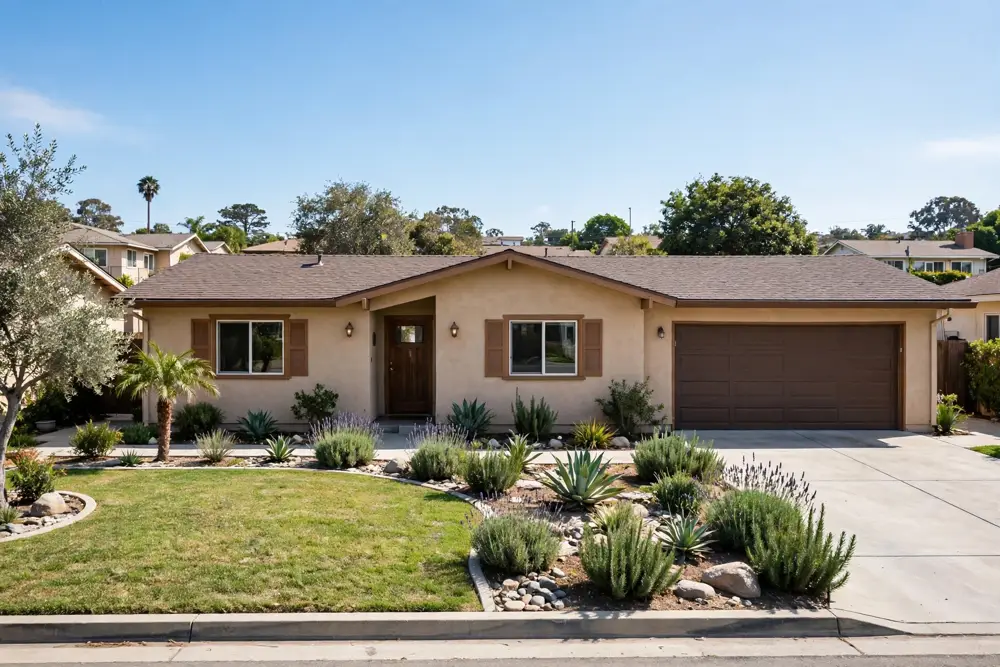
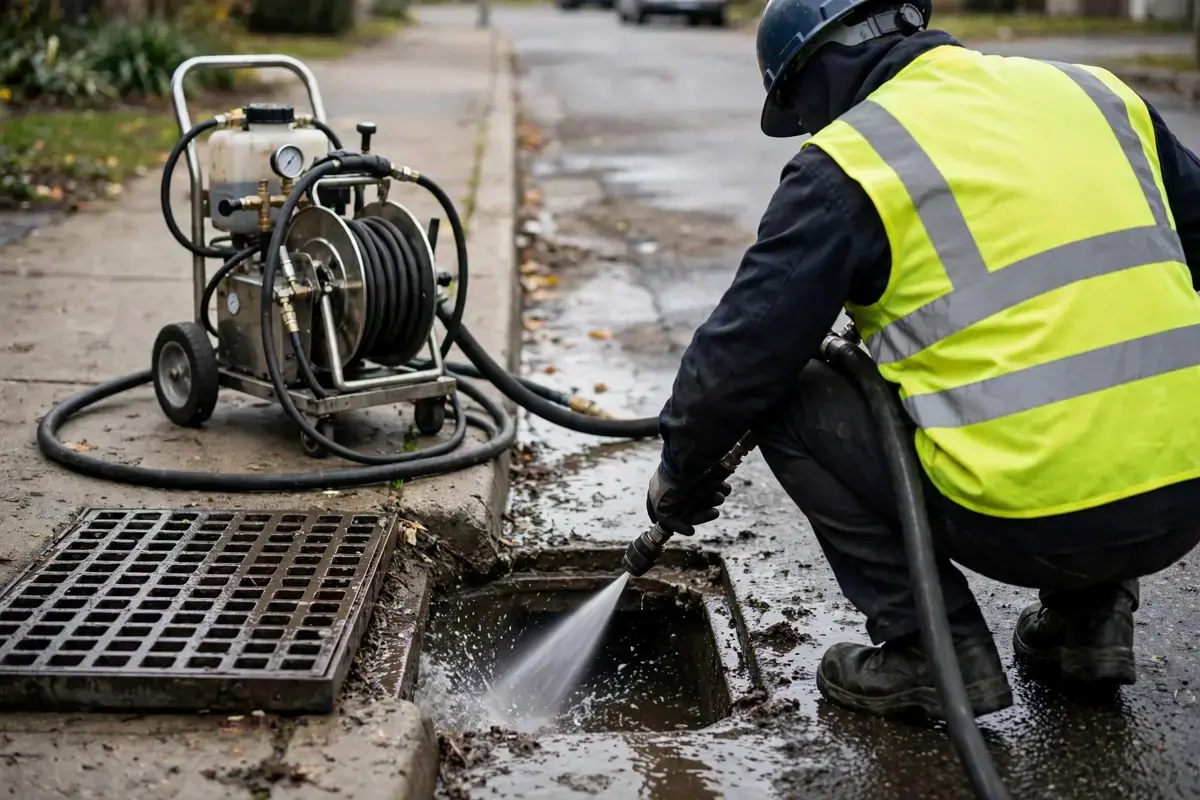
Every Colony problem traces back to age: old materials, old layouts and old trees, in houses where the next repair has to fit what is already there.
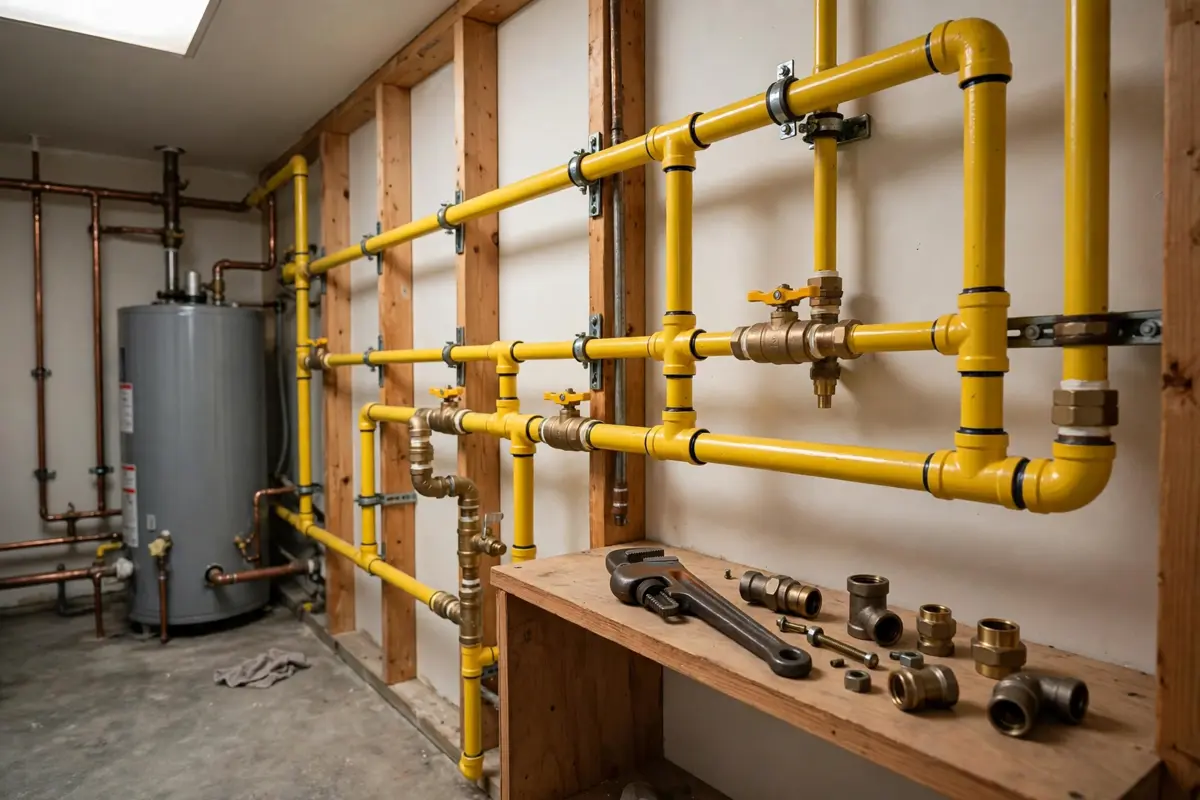
The oldest supply and drain materials in the city corrode from the inside, strangling pressure and leaking at joints. The central question in many Colony homes is repipe versus repair, and it is answered house by house, not by a rule of thumb.
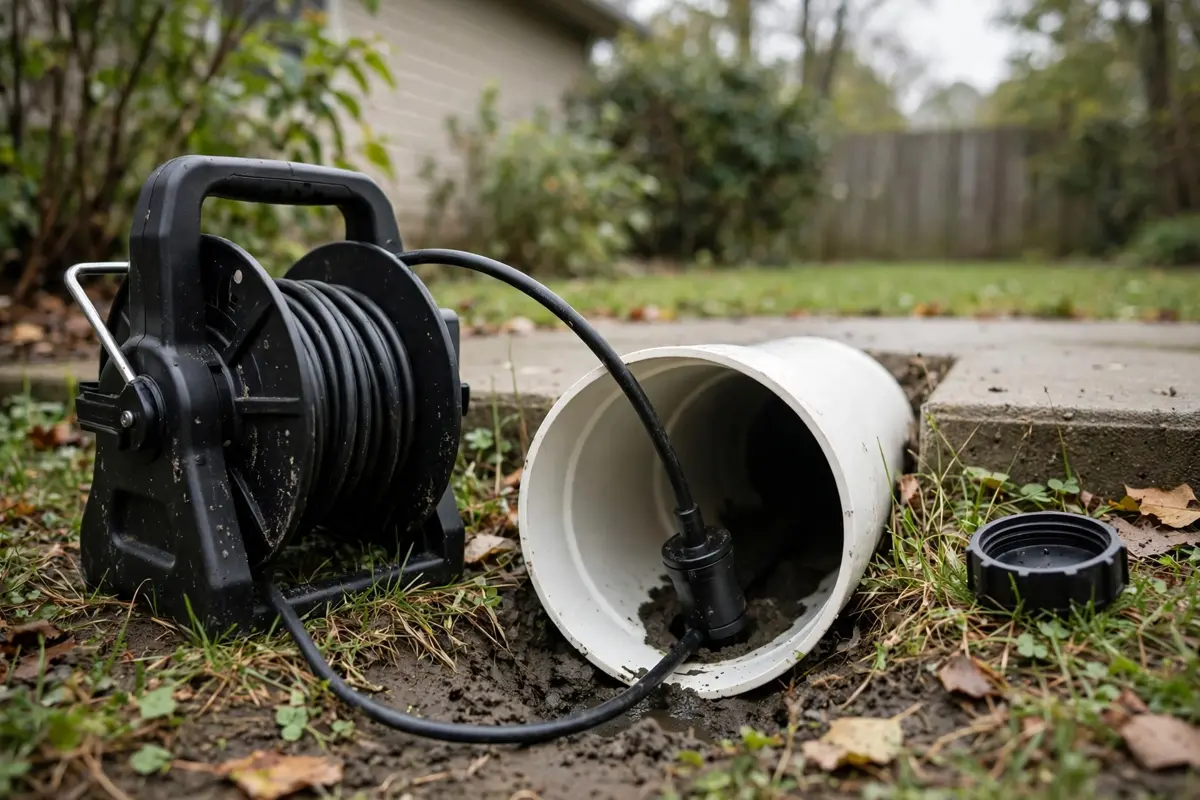
Colony lots are small, with a listing median around 5,912 square feet, and mature trees sit close to the laterals. Roots finding an old lateral is a risk to camera-check, not a certainty, and a camera run is what separates a root problem from a collapsed line.
Unlike the 1950s slab tracts, Colony homes mix crawlspace and slab construction. That changes leak detection and repair access completely: a crawlspace leak can be seen and reached, while a slab leak must be located first and then planned.
Victorian and Craftsman bathrooms carry fixtures and fittings that do not match modern standard sizes. Repair often means sourcing the right part or adapting carefully, rather than swapping in whatever is on the truck.
In the Colony, the signs to watch are the slow ones: pressure fading, drains changing and water finding new paths through very old systems.
Pressure fading across the whole house
When every faucet weakens together in an old home, internal corrosion in galvanised supply lines is a likely suspect. Note whether it is one fixture or all of them before you call.
A drain that keeps slowing despite clearing
A lateral that re-blocks after clearing may have roots, offsets or a failing section. A camera inspection shows which, and it matters because the fixes are very different.
Damp soil or a musty crawlspace
In a crawlspace home, damp earth or a musty smell under the floor can be the first sign of a supply or drain leak. It is worth looking underneath before floors or walls show damage.
Rust-coloured water after the taps sit
Discoloured water that clears after running points at corroding iron pipe. It is a material question as much as a water question, and it belongs in a repipe-versus-repair conversation.
A toilet or faucet that no standard part fits
If a period fixture keeps defeating standard repair parts, the fixture's size and age are the story. Bring the fixture's details to the call so the right approach can be planned.
The Colony's angles are all about age, and about the care that age demands from anyone working on these homes.
Late-1800s and early-1900s homes carry galvanised and cast-iron systems and pre-standard laterals. That is the oldest plumbing in Anaheim, and it sets the Colony apart from every tract neighbourhood in the city.
Character-appropriate, permitted work matters in a historic district. Trench routes and exposed-pipe runs need a different approach here, and exterior changes are planned with the district's standing in mind.
Small lots put mature trees close to sewer laterals, so root intrusion is a standing risk to check with a camera. It is a risk, not a measured rate, and this page does not present it as one.
In many Colony homes the real decision is not which fitting to change but whether the system as a whole should be repiped. That conversation starts with material identification and a camera look, not with a sales pitch.
Our service area is Anaheim only. This page does not draw a boundary for The Colony, which overlaps the civic core at its edges; the difference on this page is residential historic homes versus the commercial Downtown around them. If you are unsure whether an address is in Anaheim, call (657) 680-4140.
Rated 5.0 stars from 9 reviews on Google. The reviews below are shown verbatim.
Unexpected leaks were ruining my morning routine. This plumber arrived on time and swiftly fixed the shower, leaving everything tidy. Their expertise and friendly demeanor made the whole experience stress-free. Highly recommend!
Maria Johnson
5-star Google review
Fixed my leaking pipe efficiently.
Susan Adams
5-star Google review
Effortlessly installed our water tank!
นางสาวสุรีรัตน์ เครือบคนโท
5-star Google review
The Colony's year is gentle on weather and hard on old materials: rain, roots and heater load each take their turn.
Spring shows what winter rain did to old laterals and crawlspaces. Damp ground, slow drains and musty under-floor smells are the spring signs in these houses.
Tip: Check for slow drains and soggy spots after winter rain, and note any drain that backed up over winter.
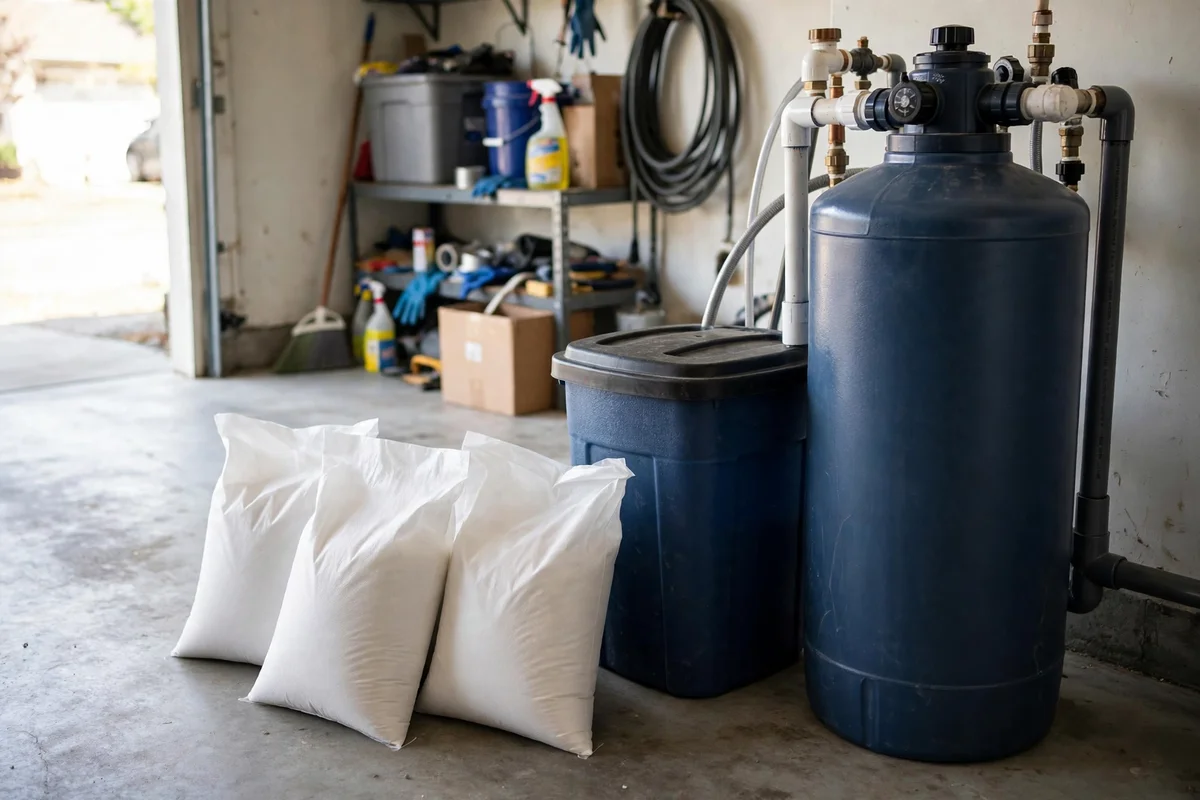
Summer load falls on heaters and fixtures in homes that may still run original-era supply lines. Scale from very hard water adds to corrosion's pressure losses, and outdoor taps get their heaviest use.
Tip: A water bill that jumps in summer usually means a hidden leak; note it before you call.
Fall is root season for old laterals under mature trees. A drain that slows in fall, after a quiet summer, is worth a camera look before winter rain adds saturated soil to the picture.
Tip: A drain that slows in fall is worth a camera check before winter rain arrives.
Winter rain saturates small lots and finds every weak joint in an old lateral. Crawlspace homes may show it first as dampness under the floor; slab sections show it as damp edges and slow drains.
Tip: After heavy rain, note any ponding near the slab and any drain that slows; both are useful details when you call.
The Colony sits among other Anaheim areas, each with its own plumbing story. The pages below are all inside Anaheim, and each one is written from that area's own housing and land use.
(Anaheim)
The civic and commercial core, with the Packing District, the Promenade and loft and apartment blocks.
View Downtown Anaheim(Anaheim)
1950s and 1960s tracts and condos across the northern part of the city, combined on one page.
View North / Northwest Anaheim(Anaheim)
1950s and 1960s slab ranches, condos and apartment blocks on the west side of the city.
View West Anaheim(Anaheim)
The transition from flatland tracts to foothills homes along the SR-91 corridor.
View East Anaheim(Anaheim)
Hotels, restaurants and the Convention Center, where commercial plumbing runs at a very different scale from a single-family home.
View Anaheim Resort(Anaheim)
High-rise and mid-rise homes around the stadiums and arena, with shared stacks and building-manager coordination.
View Platinum TriangleReal answers from our team for the questions we hear most often before a job starts.
If pressure is fading, a drain keeps re-blocking or a leak has appeared in one of Anaheim's oldest homes, call (657) 680-4140. We are open 24 hours, Monday through Sunday.
Call (657) 680-4140 for plumbing in The Colony. We are open 24 hours, Monday through Sunday, by phone only. Our office is at 1282 S Magnolia Ave, Anaheim, CA 92804. Tell us the home's age and construction if you know it, and we will talk through the next step.
Phone
(657) 680-4140Address
1282 S Magnolia Ave, Anaheim, CA 92804
Hours
Open 24 hours, Monday–Sunday